South Africa’s diverse climate provides an ideal environment for growing cannabis, but it also means favorable conditions for various pests and diseases that can harm your plants. As a grower, it’s essential to familiarise yourself with the most common issues and learn how to prevent, identify, and treat them effectively.
In this comprehensive guide, we’ll discuss the major pests and diseases that affect cannabis plants in South Africa, along with proven strategies for maintaining a healthy, thriving crop.
1. White Powdery Mildew (WPM):
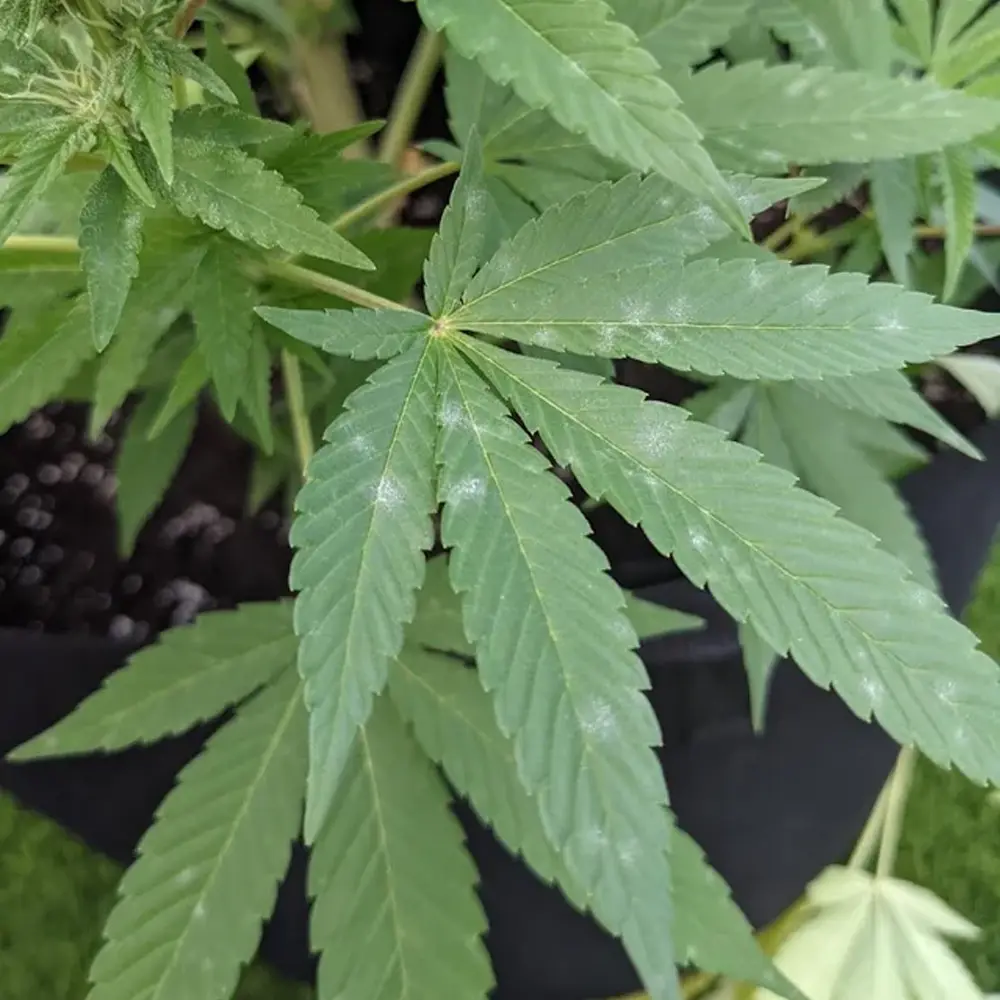
White Powdery Mildew is a widespread fungal disease that can quickly devastate a cannabis crop if left untreated. It appears as a white, powdery coating on leaves and stems, and thrives in warm, humid environments with poor air circulation. When in its early stages it can be hard to spot so just remove any leaves in question immediately if you’re uncertain.
Prevention:
Maintain optimal humidity levels (40-50%) and ensure proper ventilation
Avoid overcrowding plants and remove dead or diseased foliage promptly
Use preventative sprays, such as milk or baking soda solutions, before signs of WPM appear
Treatment:
Remove the infected leaves and dispose of them safely
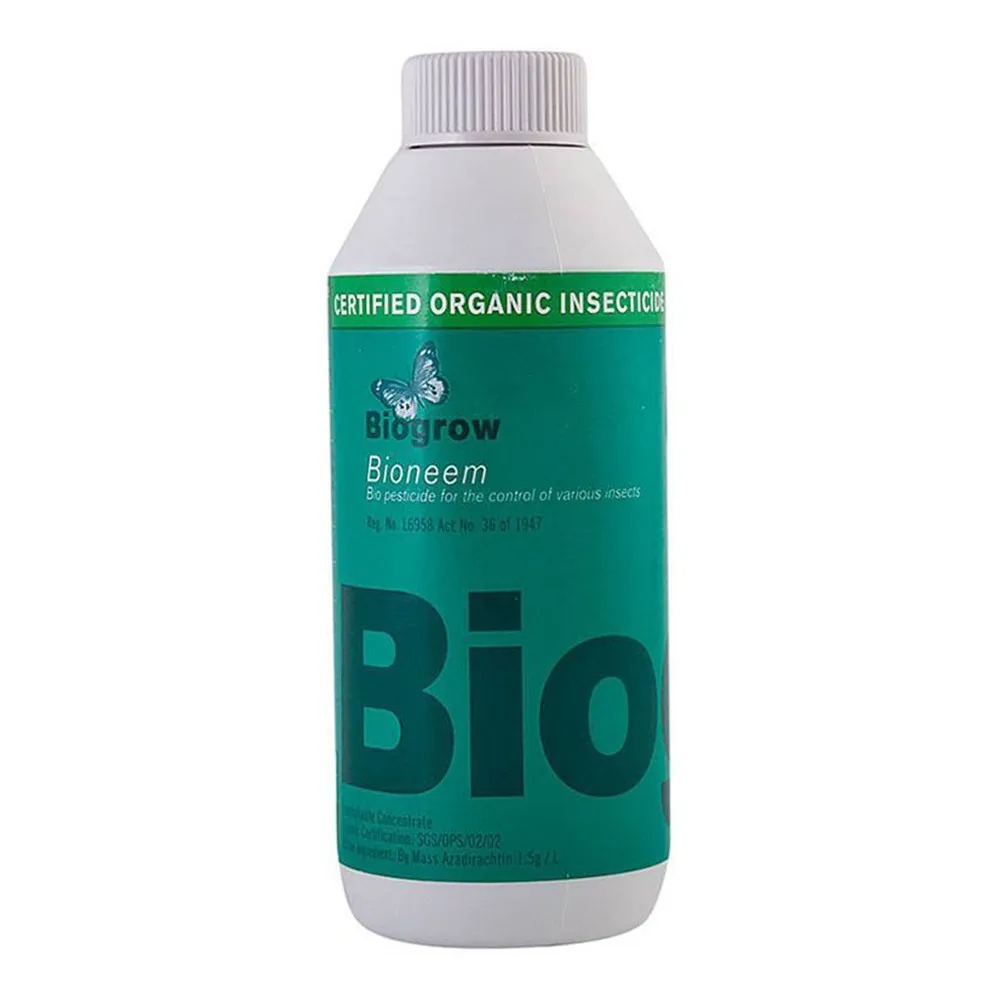
Apply milk, baking soda, or neem oil solutions to the affected plants and surrounds
Use commercial fungicides specifically designed for use on cannabis, following the manufacturer’s instructions carefully
Rust fungus or mold is another fungal disease that can be mistaken for nutrient deficiencies due to its reddish-brown spots on leaves. To confirm the presence of rust fungus you can rub the spots in question; if the rusty color transfers to your fingers, it’s likely rust fungus and not a nutrient issue.
Prevention:
Ensure proper air circulation and avoid excess humidity
Practice good sanitation by removing infected plant material and sterilising tools
Use preventative foliar sprays, such as neem oil or sulfur-based fungicides
Treatment:
Remove and dispose of infected leaves
Apply neem oil or other fungicides labeled for use on cannabis
Adjust environmental conditions to prevent further spread
3. Fungus Gnats:
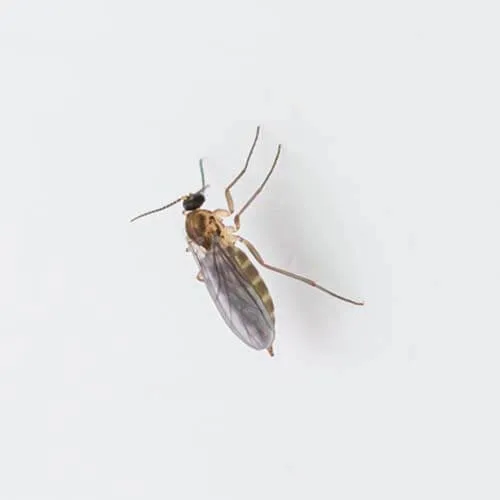
Fungus gnats, also known as “miggies” in South Africa, are small, dark-colored flies that thrive in moist soil and decomposing organic matter. While the adult flies don’t cause significant damage, their larvae feed on the plant roots, leading to stunted growth and the yellowing of leaves. Youl spot them flying around your growing area or crawling around when you water your soil. Act fast, these buggers breed like bunnies and are super annoying if ignored.
Prevention:
Avoid overwatering and a wet top layer of soil
Ensure proper airflow around the base of the plant
Use well-aerated, high-quality growing soil with good drainage
Apply a layer of rocks, sand, perlite, or diatomaceous earth on the soil surface to discourage egg-laying
Treatment:
Allow the top layer of soil to dry out properly between waterings and consider bottom watering
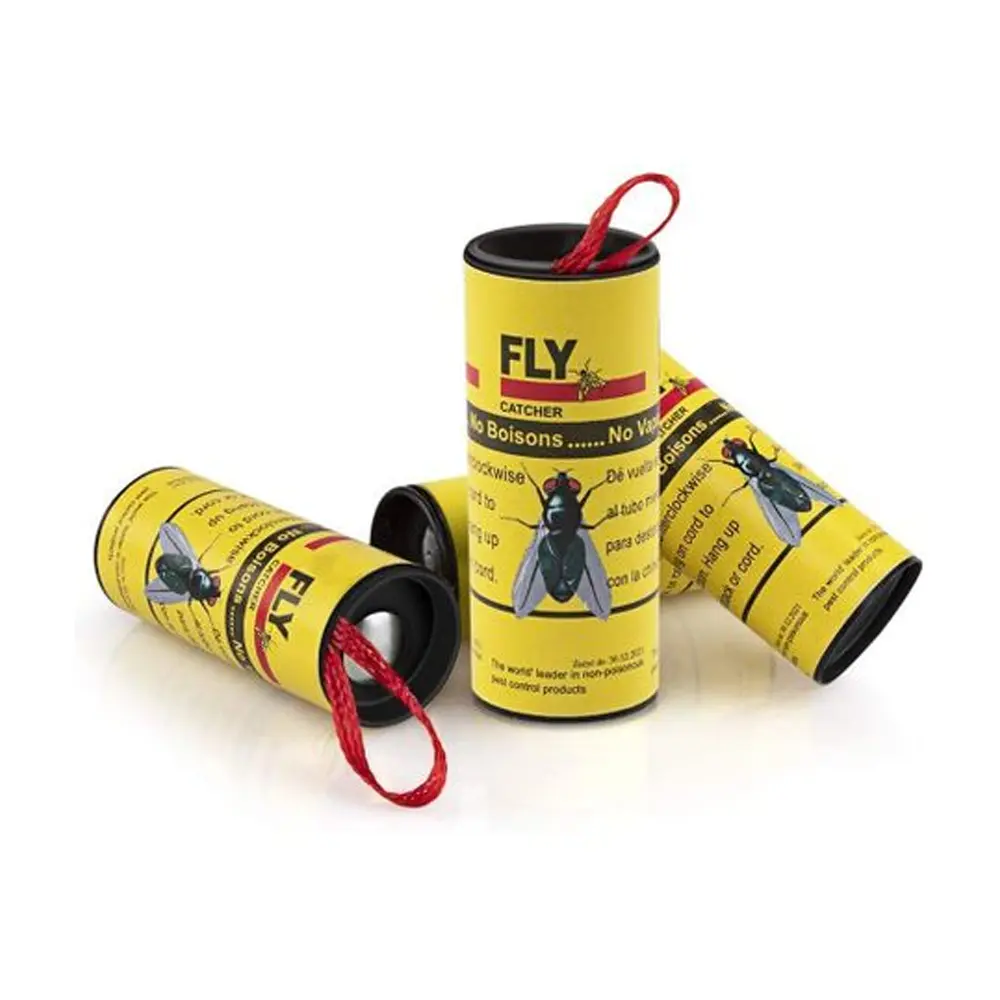
Use sticky fly or insect traps to capture adult flies.
Spray a neem oil mixture over the soil
Sprinkle some diatomaceous earth over the top soil after every watering
Mix a solution of one part hydrogen peroxide with four parts water. Pour the mixture onto the soil around the infested plant. Hydrogen peroxide acts as an insecticide, killing the fungus gnats on contact without harming your roots. Use in moderation.
If your in the vegetative stage spray some doom over the soil base or use other approved insecticides only as a last resort
4. Spider Mites:
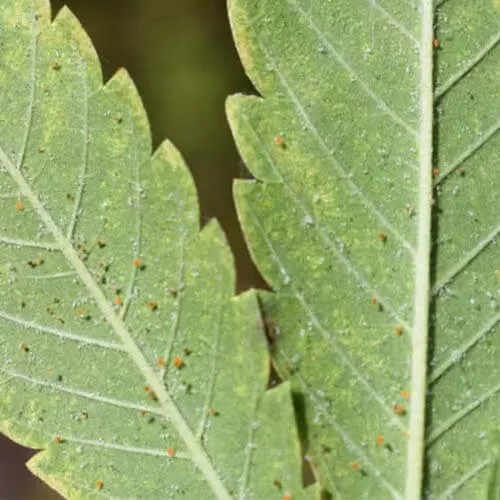
Spider mites are tiny, spider-like arachnids that feed on plant sap, causing spots, discoloration, and webbing on leaves. They thrive in hot, dry conditions and can quickly infest and destroy a cannabis crop if not controlled. They look like little dots on the bottom of your leaves but if you look closely you will see movement. They are some of the hardest pests to get rid of so prepare for a multi leg marathon not a once off solution.
Prevention:
Maintain optimal humidity levels (50-60%) and good air circulation
Regularly inspect plants for signs of infestation, especially under leaves
Use preventative foliar sprays, such as neem oil or insecticidal soaps
Remove any leaves in question and always take extreme measures if you’ve had prior problems
Treatment:
Prune heavily infested leaves and dispose of them properly
Spray your plants down with a strong jet of water over the leaves to dislodge the mites and temporarily lower their numbers
Use a fine paintbrush and apply some dry diatomaceous earth over the bottom of the leaves infested
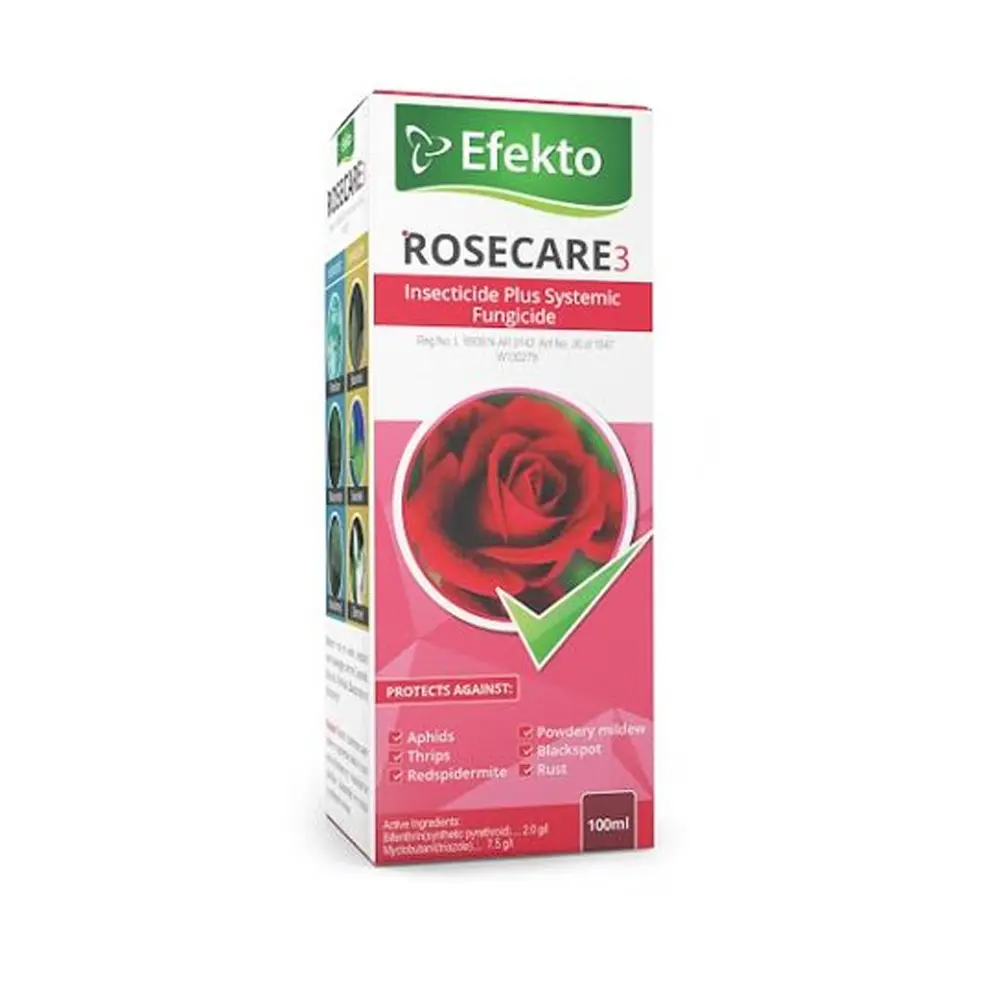
Apply neem oil, Rose care, insecticidal soaps, or other oils to fight off the first wave of mites and be sure to switch tactics after 7 days and prepare for the next wave of mites. The key is to kill the newborn mites of the 2nd wave before they lay more eggs
Introduce predatory mites, such as Phytoseiulus persimilis, for biological control
If all else fails, give up, burn your plants, then your house and move to a new neighborhood far away – just kidding! But take note that spider mite infestations are not easy to get rid of especially if you’ve just started to flower your plants.
5. Thrips:
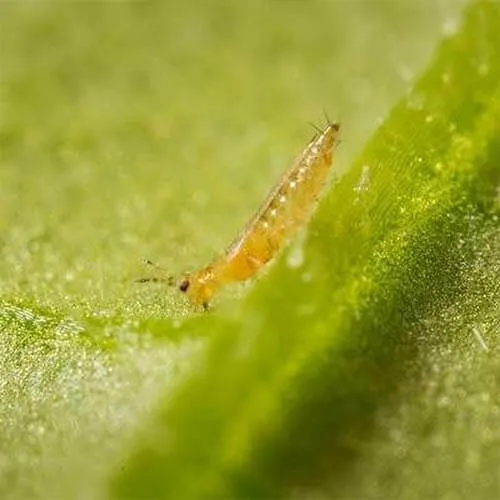
Thrips are small but relatively fast moving insects that act similar to aphids. They can be seen with the naked eye and crawl around under your cannabis leaves biting into the cells and sucking out the nutrients. At first the leaves will appear to have small white spots similar to other pest bites, but over time the leaves will look as if small snails crawled all over them leaving a trail of shiny substance behind similar to dried up spit. In more advanced cases the leaves will wither and die. Thribs cannot harm your buds in late flowering but it will damage and stress your plant lowering overall yields. They can be difficult to control once established over multiple plants, so prevention is key.
Prevention:
Use fine mesh screens on all your grow room or greenhouse vents to prevent entry – ladies stockings work great as a cheap fix.
Ensure proper airflow around stems and base of the plant
Maintain a clean growing environment and remove weeds or debris around the outdoor grow area
Use sticky traps to monitor for early signs of infestation
Treatment:
Prune infested leaves and dispose of them safely
Spray your plants down with a strong jet of water over the leaves to dislodge them and lower their numbers
Use a fine paintbrush and apply some dry diatomaceous earth over the top and bottom of the leaves in suspect
Apply insecticidal soaps, neem oil, or sprays according to the instructions only if the infestation is out of hand – these pests do not pose a serious threat to justify extreme measures if you are close to harvesting
Use beneficial insects as biological control agents, such as predatory mites, lady bugs or parasitic nematodes.
6. Aphids:
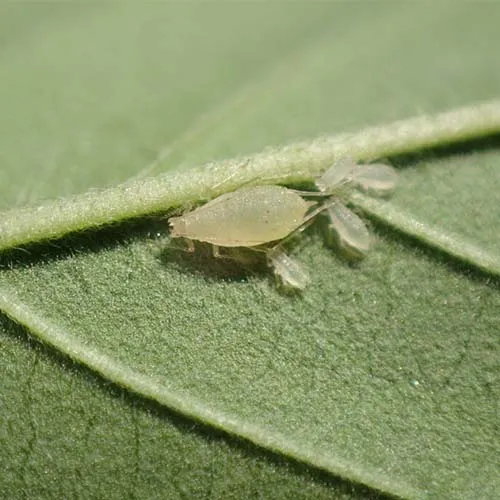
Aphids are similar to thrips and are small, soft-bodied insects that pierce leaves and suck on plant sap for food, causing distorted growth, yellowing leaves, and the production of a soft sugary secretion which can lead to other diseases. They can reproduce quickly and lay many eggs,making them a serious threat to cannabis crops. They generally appear on the underside of leaves like trips but look fatter and more like ticks whereas thrips are skinnier, faster and longer bodied.
Prevention:
Use fine mesh screens on all your grow room or greenhouse vents to prevent entry – ladies stockings work great as a cheap fix.
Encourage natural predators, such as ladybugs, lacewings, and parasitic wasps, by planting companion plants – One of the most effective ways to control aphids in your garden is to introduce beneficial insects that prey on them. These insects are all natural predators of aphids and can help keep their populations in check.
Regularly inspect plants for signs of infestations, spots or eggs – especially on new growth and the undersides of leaves.
Treatment:
Spray plants with a strong jet of water to dislodge aphids
Aphids hate garlic so mix a teaspoon or two of the garlic infused oil found at the top of any store bought crushed garlic with 1 liter of water and a few drops of insecticidal soap and spray all the affected leaves and surrounds thoroughly once per week.
Apply insecticidal soaps, neem oil, or horticultural oils according to the label instructions
Use biological control agents, such as parasitic wasps or predatory mites
7. Leaf Miners:
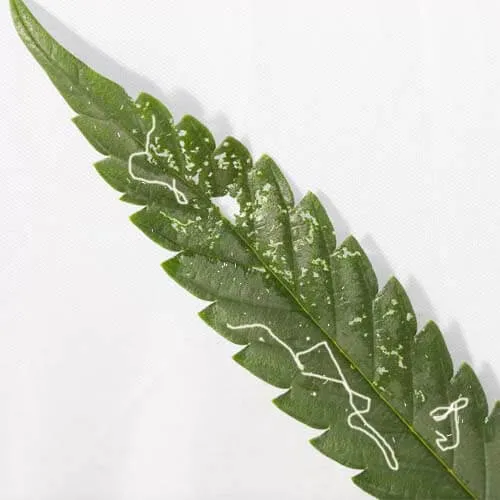
Leaf miners is a generic term used for the larvae of various fly, moth, and beetle species that tunnel inside the upper and lower leaf surfaces, creating visible, spaghetti like paths. While they rarely kill plants, they can reduce photosynthesis and overall plant health or yield.
Prevention:
The use of material covers like floating row covers to prevent flying pests from laying eggs on leaves is probably your best solution for outdoor growing
Use fine mesh screens on all your grow room or greenhouse vents to prevent entry – ladies stockings work great as a cheap fix.
Encourage natural predators, such as parasitic wasps and predatory mites with companion planting
Treatment:
Remove and destroy any dead or infected leaves to break the life cycle
Monitor your plants closely and squeeze the leaves tightly around the affected areas to kill any larvae or simply cut off or remove the infected sections of the leaf.
Apply neem oil or insecticidal soaps according to the label instructions
Use biological control agents, such as ladybug, parasitic wasps or predatory mites
8. Whiteflies:
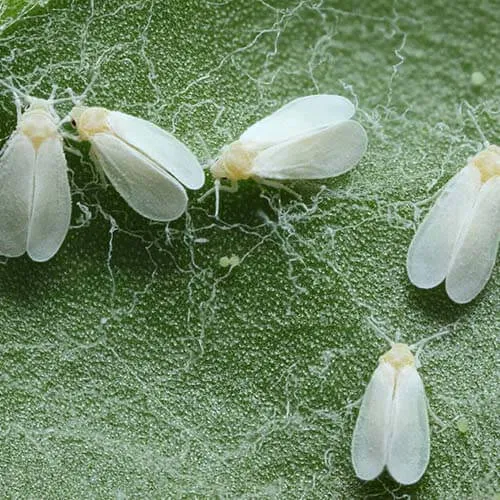
Whiteflies are small, moth-like insects that grow to be about 2mm in size and feed on plant sap, causing yellowing, stunting, and the production of honeydew. They act similar to spider mites in many ways but are generally easier to spot. Adult White flies fly around and are mostly found on the top of leaves whereas the babies and eggs live about 3-4 weeks at the bottom of leaves. White spots and bite marks are signs of an infestation. They lay about 50 eggs each in groups of circular patterns under the cannabis leaf and this too can be easily spotted.
Prevention:
Use fine mesh screens on all your grow room or greenhouse vents to prevent entry
The use of material covers like floating row covers to prevent flying pests from laying eggs on leaves is probably your best solution for outdoor growing
Regularly inspect plants for signs of infestation, especially on the undersides of leaves
Use yellow sticky traps to monitor for early signs of infestation
Ensure proper airflow around stems and base of the plant
Use preventative foliar sprays, such as neem oil or insecticidal soaps
Treatment:
The treatment for White flies is exactly the same as for Spider mites and both pests quickly build up a resistance to the pesticides so you should mix up your treatment methods every time. Whiteflies are slightly less dangerous to Autoflowers than Spider mites because they reproduce slower and cannot ruin your harvest in time.
Spray your plants with a strong jet of water to dislodge any present whiteflies
Apply insecticidal soaps, neem oil, or horticultural oils according to the label instructions
Use biological control agents, such as ladybugs or predatory mites
9. Snails and Slugs:
Snails and slugs are common garden pests that can feed on cannabis leaves and stems, causing holes and damage to the plant. They are most active at night and during wet weather.
Prevention:
Remove hiding spots such as debris, weeds, and stones around the grow area
Use barriers such as copper tape or diatomaceous earth around the base of plants
Encourage natural predators like birds, frogs, and beetles
Treatment:
Handpick snails and slugs from plants and dispose of them
Use organic deterrents from your local gardening store
Sprinkle finely broken egg shells around the base of your plant
Apply nematodes to the soil to control snail and slug populations
10. Caterpillars:
Various species of caterpillars can feed on cannabis leaves, stems, and buds. They can cause significant damage to the plant and reduce yields.
Prevention:
Use floating row covers to prevent adult moths from laying eggs on plants
Encourage natural predators such as wasps, birds, and spiders
Companion plant with herbs like basil, dill, and cilantro to deter moths
Spray a chili and garlic oil and water solution over your plants
Treatment:
Manually remove caterpillars from plants and dispose of them
A vinegar and water solution will kill or repel most garden pests, including caterpillars. Mix 1 tablespoon of vinegar with 2 liters of water, and spray wherever you’ve seen caterpillars.
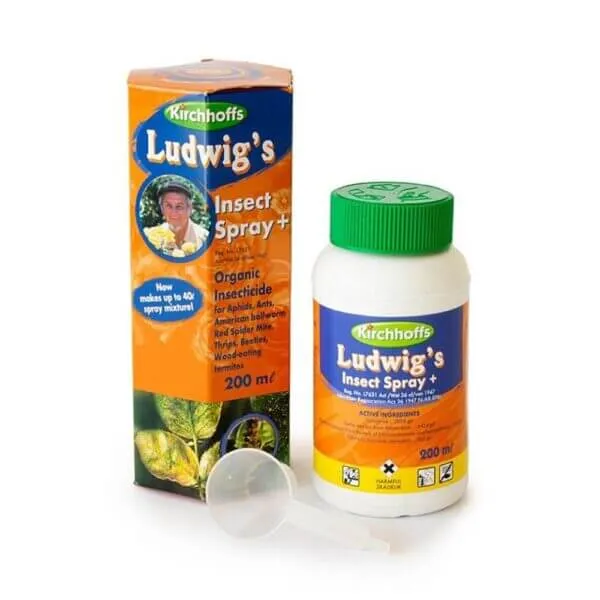
Use natural insecticides like neem oil or ludwigs insect spray to control populations
Apply Bacillus thuringiensis (Bt) or spinosad according to the label instructions
11. Crickets and Grasshoppers:
Crickets and grasshoppers can chew on cannabis leaves and stems, causing damage and reducing plant health.
Prevention:
Keep the grow area clean and remove any debris or tall grass that may attract crickets and grasshoppers
Use floating row covers to prevent access to plants
Encourage natural predators like birds, spiders, and praying mantises
Treatment:
Manually remove crickets and grasshoppers from plants
Apply diatomaceous earth or insecticidal soaps to control populations
Use natural insecticides like neem oil or pyrethrin according to the label instructions
12. Birds:
Birds can cause damage to cannabis plants by feeding on your seeds, seedlings, and young leaves or plants. They can also damage buds and reduce yields and even poop all over your buds. Not the final taste you are going for we assume?
Prevention:
Use bird netting, a greenhouse or floating row covers to prevent access to plants
Install bird deterrents like reflective tape, fake owls, or wind chimes
Companion plant with herbs like basil, mint, and lavender to deter birds
Treatment:
Use bird netting, a greenhouse or floating row covers to prevent access to plants
Install bird deterrents like reflective tape, fake owls, or wind chimes
Place rubber snakes around the base or in your plant
In addition to the commercial pest control products we sell, there are several effective homemade and organic solutions that can help manage pests and diseases in your garden. These solutions are often safer, more environmentally friendly, and less likely to affect the quality of your final product.
1. Dish Soap:
Dish soap like sunlight liquid is a great way to deter leaf sucking insects like spider mites or aphids. Mix 1 teaspoon with one liter of water and spray the plant. Do not make the mixture too strong as it can harm your plants if used excessively. The soapy film left behind on the leaves will create an unpleasant taste and texture, discouraging pests from consuming the plant while simultaneously suffocating them, effectively reducing their desire to feed on the treated foliage.
2. Canola Oil:
All vegetable oils are great for keeping sap-sucking pests like mites or aphids at bay but canola oil is considered one of the best types. Mix a tablespoon of oil with a teaspoon of sunlight soap to emulsify it into 1 liter of water and spray over your leaves. The oil suffocates the soft bodied insects by blocking their air holes.
3. Hydrogen Peroxide:
A hydrogen peroxide and water mixture of 1:1 can be extremely beneficial as a natural pest control method. Be aware though that while this solution is not harmful to your plant itself in low quantities, it kills all bacteria, insect larvae and fungal spores, so it also kills beneficial microbes and other potentially beneficial organisms like earthworms.
4. Bicarb and Water:
Bicarbonate of soda or baking soda and water mixtures are 100% organics, keeping their numbers in check without the need for chemical interventions.
5. Companion Planting:
This encoumpases planting certain companion plants alongside your cannabis crop to help repel pests and attract beneficial insects. Examples include basil, marigolds, and chamomile, to help deter aphids, thrips, or whiteflies.
6. Milk Spray:
Mixing 1 part milk with 9 parts water creates an effective foliar spray against powdery mildew. The proteins in milk help combat the fungus and boost the plant’s natural defenses. Apply the solution weekly as a preventative measure or more frequently if signs of infection appear. and can be a powerful homemade pesticide when used as foliar spray. Combine it with neem oil or insecticidal soaps for the best results. Mix 1 -2 teaspoons of baking soda with 1 liter of water and spray the infected areas of a plant weekly or as a preventative measure.
7. Chili Garlic Oil:
Chili garlic oil is a powerful, all-natural pest repellent that can be easily made at home using simple ingredients. The combination of garlic and chili peppers creates a potent mixture that deters a wide range of common garden pests, including aphids, spider mites, and whiteflies. Garlic contains sulfur compounds that emit a strong odor, which can effectively repel pests. Chili peppers, on the other hand, contain capsaicin, a compound that gives them their signature heat and acts as a natural insecticide. When combined with oil, these ingredients form a long-lasting, water-resistant barrier on plant leaves, making them less appealing to pests. When preparing or applying the chili garlic oil spray, wear gloves and avoid getting the spray in your eyes. Blend a couple of chillies and some garlic into a 1:1 oil and water solution of no more than 1 liter. Let the mixture rest for at least 24 hours. Blend it again and dilute it 1:10 with water before spraying the plants.
8. Neem Oil:
Neem oil is a versatile, organic pest control solution that works against a wide range of insects and mites. It disrupts the life cycle of pests and can also prevent fungal diseases like powdery mildew.
9. Cinnamon Powder:
Cinnamon boasts both antibacterial and antifungal properties, making it an effective tool for minimizing fungal growth in your potting soil. This deters fungus gnats as their food source is depleted. It also dehydrates them in a similar way to diatomaceous earth. Simply sprinkle some cinnamon powder over the top layer of your soil after each watering to deter fungus gnats
10. Diatomaceous Earth:
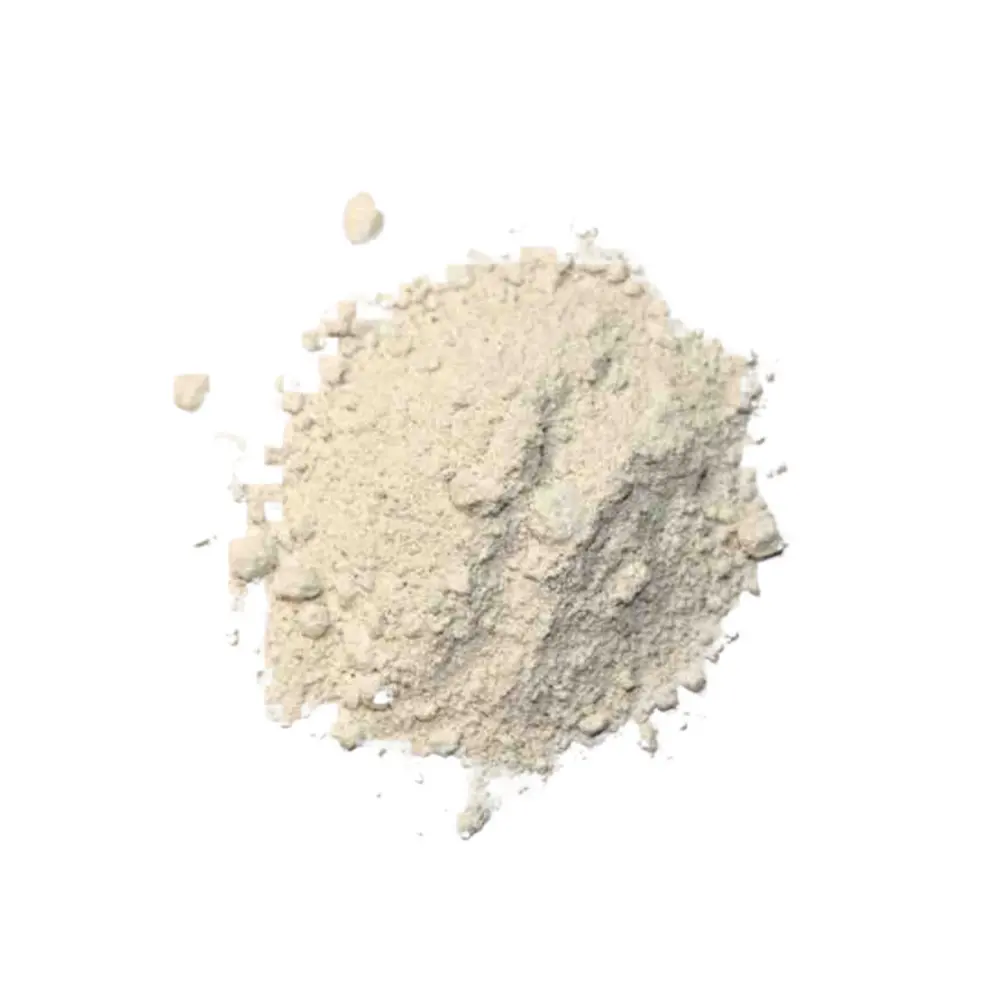
Diatomaceous earth (DE) is a naturally occurring, soft, sedimentary rock that is easily crumbled into a fine, off-white powder.
It is composed of the fossilized remains of single-celled aquatic organisms called diatoms and is a powerful and versatile tool in the world of organic pest control.The microscopic, razor-sharp edges of the diatomaceous earth particles lacerate exoskeletons, causing pests to dehydrate and ultimately die. Making it very effective against fungus gnats, thrips, or spider mites. Diatomaceous earth is safe for humans and larger animals, making it an excellent choice for eco-conscious cannabis growers.
To use diatomaceous earth in your cannabis garden, simply sprinkle a fine layer of the powder on the surface of your soil, around the base of your plants, or in areas where pests are likely to congregate. DE will continue to work as long as it remains dry, so be sure to reapply after watering or rain. For added protection, you can also create a DE solution by mixing 1 tablespoon of DE with 1 liter of water and apply it as a foliar spray. This method is particularly effective against soft-bodied pests like aphids and whiteflies.
11. Insecticidal Soap mixtures:
These are potassium based soaps easily found in any gardening aisle. They effectively control soft-bodied insects like aphids, thrips, and whiteflies. They work by disrupting the insect’s cell membranes, causing dehydration and death.
12. Vinegar Water Mix:
A vinegar and water solution will kill or repel most garden pests. Mix 1 tablespoons of vinegar with 2 liters of water, and spray over plants weekly
13. Plant Oils:
Natural oil extracts like ludwigs insect spray contain organic extracts and oils such as, garlic, canola, soybean, or mineral oils, which can smother and kill various insects and mites, including spider mites, aphids, and whiteflies. They also help control fungal diseases by preventing spore germination.
14. Beneficial insects:
Mites or other insects such as ladybugs, lacewings, and predatory mites, can help manage pest populations naturally. These organisms feed on common cannabis pests
Conclusion
Protecting your cannabis plants from pests and diseases is crucial for a successful harvest. By understanding the common issues that affect cannabis in South Africa, implementing preventative measures, and using appropriate treatment methods when necessary, you can ensure a healthy, high-quality crop.
Remember, the key to effective pest and disease management is early detection and swift action. Regularly inspect your plants for signs of trouble and address any issues promptly to prevent them from spreading and causing significant damage.
At Seed and Soil, we are committed to providing our customers with the knowledge, resources, and products they need to grow exceptional cannabis. Browse our selection of high-quality seeds, nutrients, and pest control measures for piece of mind and guaranteed success.