In addition to the commercial pest control products we sell, there are several effective homemade and organic solutions that can help manage pests and diseases in your garden. These solutions are often safer, more environmentally friendly, and less likely to affect the quality of your final product.
Dish soap:
Dish soap like sunlight liquid is a great way to deter leaf sucking insects like spider mites or aphids. Mix 1 teaspoon with one liter of water and spray the plant. Do not make the mixture too strong as it can harm your plants if used excessively. The soapy film left behind on the leaves will create an unpleasant taste and texture, discouraging pests from consuming the plant while simultaneously suffocating them, effectively reducing their desire to feed on the treated foliage.
Canola oil:
All vegetable oils are great for keeping sap-sucking pests like mites or aphids at bay but canola oil is considered one of the best types. Mix a tablespoon of oil with a teaspoon of sunlight soap to emulsify it into 1 liter of water and spray over your leaves. The oil suffocates the soft bodied insects by blocking their air holes.
Hydrogen peroxide:
A hydrogen peroxide and water mixture of 1:1 can be extremely beneficial as a natural pest control method. Be aware though that while this solution is not harmful to your plant itself in low quantities, it kills all bacteria, insect larvae and fungal spores, so it also kills beneficial microbes and other potentially beneficial organisms like earthworms.
Bicarb & Water:
Bicarbonate of soda or baking soda and water mixtures are 100% organic and can be a powerful homemade pesticide when used as foliar spray. Combine it with neem oil or insecticidal soaps for the best results. Mix 1 -2 teaspoons of baking soda with 1 liter of water and spray the infected areas of a plant weekly or as a preventative measure.
Chili Garlic Oil:
Chili garlic oil is a powerful, all-natural pest repellent that can be easily made at home using simple ingredients. The combination of garlic and chili peppers creates a potent mixture that deters a wide range of common garden pests, including aphids, spider mites, and whiteflies. Garlic contains sulfur compounds that emit a strong odor, which can effectively repel pests. Chili peppers, on the other hand, contain capsaicin, a compound that gives them their signature heat and acts as a natural insecticide. When combined with oil, these ingredients form a long-lasting, water-resistant barrier on plant leaves, making them less appealing to pests. When preparing or applying the chili garlic oil spray, wear gloves and avoid getting the spray in your eyes. Blend a couple of chillies and some garlic into a 1:1 oil and water solution of no more than 1 liter. Let the mixture rest for at least 24 hours. Blend it again and dilute it 1:10 with water before spraying the plants.
Neem Oil:
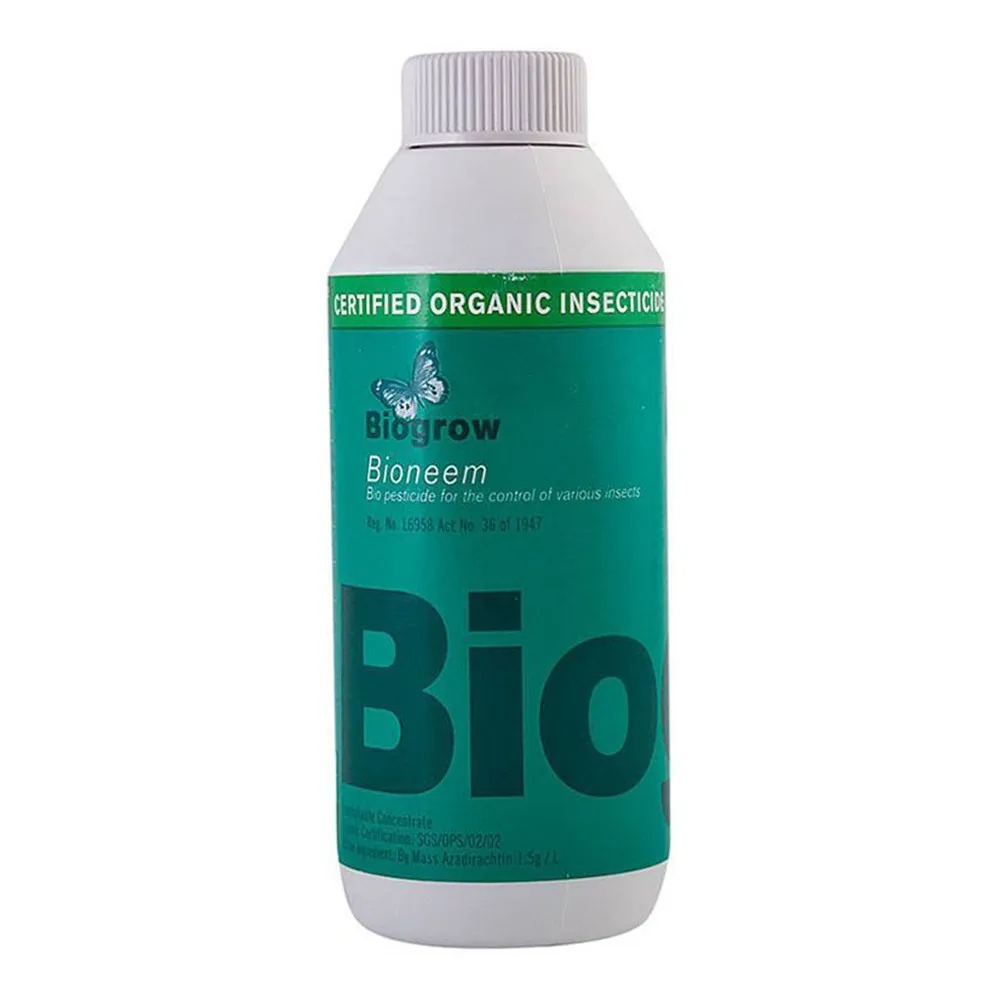
Neem oil is a versatile, organic pest control solution that works against a wide range of insects and mites. It disrupts the life cycle of pests and can also prevent fungal diseases like powdery mildew.
Cinnamon Powder:
Cinnamon boasts both antibacterial and antifungal properties, making it an effective tool for minimizing fungal growth in your potting soil. This deters fungus gnats as their food source is depleted. It also dehydrates them in a similar way to diatomaceous earth. Simply sprinkle some cinnamon powder over the top layer of your soil after each watering to deter fungus gnats
Diatomaceous Earth:
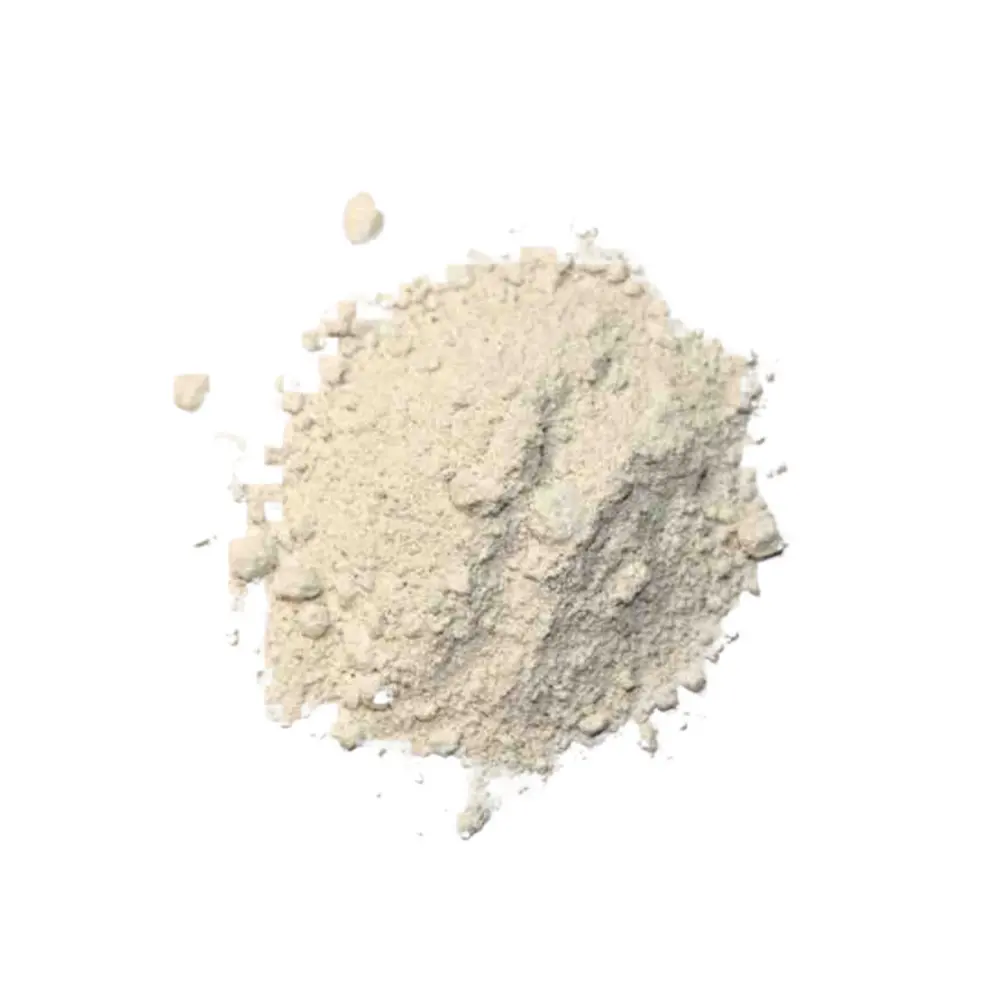
Diatomaceous earth (DE) is a naturally occurring, soft, sedimentary rock that is easily crumbled into a fine, off-white powder. It is composed of the fossilized remains of single-celled aquatic organisms called diatoms and is a powerful and versatile tool in the world of organic pest control. The microscopic, razor-sharp edges of the diatomaceous earth particles lacerate exoskeletons, causing pests to dehydrate and ultimately die. Making it very effective against fungus gnats, thrips, or spider mites. Diatomaceous earth is safe for humans and larger animals, making it an excellent choice for eco-conscious cannabis growers. To use diatomaceous earth in your cannabis garden, simply sprinkle a fine layer of the powder on the surface of your soil, around the base of your plants, or in areas where pests are likely to congregate. DE will continue to work as long as it remains dry, so be sure to reapply after watering or rain. For added protection, you can also create a DE solution by mixing 1 tablespoon of DE with 1 liter of water and apply it as a foliar spray. This method is particularly effective against soft-bodied pests like aphids and whiteflies.
Insecticidal Soap Mixtures:
These are potassium based soaps easily found in any gardening aisle. They effectively control soft-bodied insects like aphids, thrips, and whiteflies. They work by disrupting the insect’s cell membranes, causing dehydration and death.
Vinegar Water Mix:
A vinegar and water solution will kill or repel most garden pests. Mix 1 tablespoons of vinegar with 2 liters of water, and spray over plants weekly.
Plant Oils:
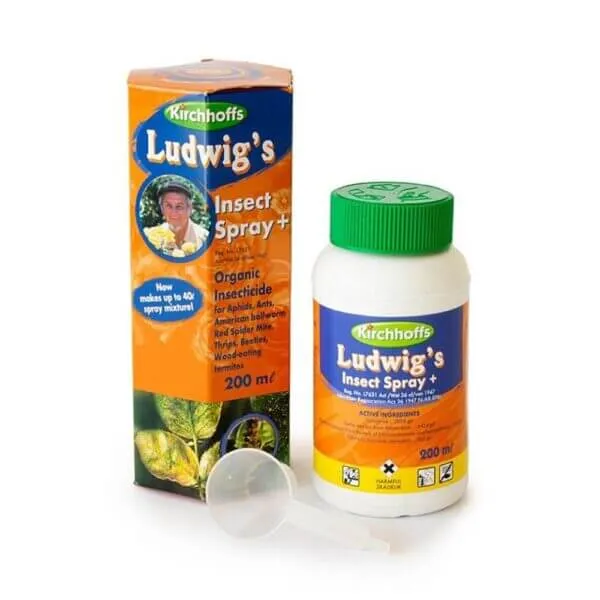
Natural oil extracts like ludwigs insect spray contain organic extracts and oils such as, garlic, canola, soybean, or mineral oils, which can smother and kill various insects and mites, including spider mites, aphids, and whiteflies. They also help control fungal diseases by preventing spore germination.
Beneficial insects:
Mites or other insects such as ladybugs, lacewings, and predatory mites, can help manage pest populations naturally. These organisms feed on common cannabis pests, keeping their numbers in check without the need for chemical interventions.
Companion Planting:
This encoumpases planting certain companion plants alongside your cannabis crop to help repel pests and attract beneficial insects. Examples include basil, marigolds, and chamomile, to help deter aphids, thrips, or whiteflies.
Milk Spray:
Mixing 1 part milk with 9 parts water creates an effective foliar spray against powdery mildew. The proteins in milk help combat the fungus and boost the plant’s natural defenses. Apply the solution weekly as a preventative measure or more frequently if signs of infection appear.