Author name: Seed and Soil SA

How Many Grams From One Plant

How Many Grams Of Weed Will One Plant Yield?

How many grams of weed will one plant grow

As a new grower, one of the most common questions you may ask is, “How many grams of weed will one plant produce?” The answer to this question is not straightforward, as it depends on various factors such as the type of plant (autoflower or photoperiod), growing conditions, training techniques, and genetics. In this guide, we’ll explore the factors that influence cannabis plant yields and provide you with a solid range of what you can expect from both autoflowering and photoperiod strains for planning your grow, estimating your yields, and staying within legal limits.

Factors That Affect Cannabis Plant Yields:

Before diving into specific yield estimates, it’s essential to understand the various factors that can impact how much flower one plant will produce:

  1. Genetics: The genetic makeup of a cannabis strain plays a significant role in determining its yield potential. Some strains are naturally higher yields than others.
  2. Grow environment: The quality of your grow environment, including factors such as light, temperature, humidity, and airflow, can greatly influence your plant’s yield.
  3. Grow medium: The choice of grow medium, such as soil, coco coir, or hydroponic systems, can impact your plant’s growth and yield.
  4. Nutrients: Providing your plants with the right balance of nutrients is crucial for optimal growth and yield.
  5. Training techniques: Employing various training techniques, such as topping, fimming, or low-stress training (LST), can help maximize your plant’s yield potential.
  6. Grower experience: As with any skill, the more experience you have in growing cannabis, the better equipped you’ll be to optimize your plants’ yields.

Yield Estimates for Autoflowering Cannabis Plants:

Autoflowering cannabis strains have gained major popularity in recent years due to their fast growth cycle, resilience, and ease of growth. While autoflowers were once known for lower yields compared to photoperiodic strains, modern genetics have made significant strides in terms of yield potential that rival most traditional strains

On average, a well-grown autoflowering cannabis plant can yield between 50 to 100+ grams when grown indoors under optimal conditions. Outdoors, an autoflowers yield can vary greatly due to the seasons but expect between 30 to 50 grams in winter and 50 to 100+ grams in summer, with some exceptional plants exceeding the 150-gram mark.

At Seed and Soil SA, our All-in-One Grow Kits and line of autoflowering genetics have been carefully selected and bred to offer impressive yields without compromising on quality. When grown under ideal conditions, our autoflowers can easily reach the upper end of these yield ranges.

Yield Estimates for Photoperiodic Cannabis Plants:

Photoperiodic cannabis strains require a change in the light cycle to transition from vegetative growth to flowering. This allows growers to control the size and yield of their plants by extending or shortening the vegetative phase.

The yield potential of photoperiodic plants can vary greatly depending on the length of the vegetative phase:

  • Short vegetative phase (2-4 weeks): 10 to 40 grams per plant
  • Medium vegetative phase (4-8 weeks): 50 to 100 grams per plant
  • Long vegetative phase (8+ weeks): 150 grams or more per plant

It’s important to note that these are rough estimates, and actual yields can vary significantly based on the factors mentioned earlier. Some experienced growers have reported yields exceeding 800 grams per plant when using advanced techniques and long vegging periods.

How Many Plants Can You Grow Per Square Meter Indoors?

Can and should are two different things. You certainly can grow up to 10 or more plants per square meter, but that does not mean you should. Since every South African home grower is legally limited to a maximum of 8 plants, we guess the short answer would never be more than 8. Growing too many plants in the same space will not necessarily increase your overall yields though. Overgrown grow rooms are prone to pests and mold. It can limit the airflow, light penetration, as well as be difficult to maintain overall. When two different cannabis plants touch, they tend to grow taller and lankier in an attempt to outgrow its neighbors to the light source. 

If you are growing indoors you ideally want to give your plant the best environment and care you possibly can. Since the structure of autoflowers are fairly set with limited training time we recommend 4 to a maximum of 5 autoflowering plants per 1 meter squared. As a Rule of thumb you’ll need at least 50cm x 50xm of space per plant for most autoflowers.

A guide to optimise your grow space

Maximizing Your Plants' Yield Potential:

To achieve the best possible yields from your cannabis plants, consider the following tips:

  1. Choose Quality Genetics: Select strains known for their high yield potential, such as our autoflowering genetics at Seed and Soil SA.

  2. Optimize your environment: Ensure your plants receive adequate light, maintain proper temperature and humidity levels, and provide good airflow.

  3. Uniformity: Growing only the same strains in one room is beneficial because it allows for a more even growth and canopy. Mixing up strains in one room can get complicated if you are not experienced with their various growth structures.

  4. Use quality growing media and nutrients: Choose a high-quality grow medium and provide your plants with a balanced nutrient regimen.

  5. Employ training techniques: Utilize training techniques like topping, fimming, or LST to encourage bushy growth and maximize light exposure.

  6. Monitor and address issues promptly: Regularly inspect your plants for signs of stress, deficiencies, or pests, and address any issues promptly to minimize their impact on yield.

  7. Avoid overcrowding: While it may be tempting to grow as many plants as possible, overcrowding can lead to reduced yields and increased risk of pests and diseases. For autoflowers, aim for a maximum of 4 plants per square meter to ensure optimal growth and yield.

Amnesia Autoflower showcasing large yields in an indoor grow setup

Conclusion:

In conclusion, the yield potential of a cannabis plant depends on numerous factors, including genetics, grow environment, and grower experience. While it’s impossible to provide an exact yield estimate for every plant, this guide should give you a solid range of what to expect from both autoflowering and photoperiod strains.

By choosing high-quality genetics, optimizing your grow environment, and employing the right techniques and feeding schedules, you can maximize your plants’ yield potential and achieve impressive harvests. At Seed and Soil SA, we are dedicated to providing South African home growers with the best autoflowering genetics and grow kits to help you reach your full potential as a cannabis cultivator.

Seed and Soil SA Logo

Sub Topics

SA Cannabis Breeders and local seed distributors
About us

Featured Products

Featured Guides

Sign up to our Promotion List

Grow kits For Sale

All In One Grow Kits

Feminised Seeds, Cannabis Soil, Pot, Tray & Instructions

How Many Grams From One Plant Read More »
Cannabis Pests In SA

Cannabis Pests In South Africa

South Africa’s diverse climate provides an ideal environment for growing cannabis, but it also means favorable conditions for various pests and diseases that can harm your plants. As a grower, it’s essential to familiarise yourself with the most common issues and learn how to prevent, identify, and treat them effectively.

In this comprehensive guide, we’ll discuss the major pests and diseases that affect cannabis plants in South Africa, along with proven strategies for maintaining a healthy, thriving crop.

1. White Powdery Mildew (WPM):

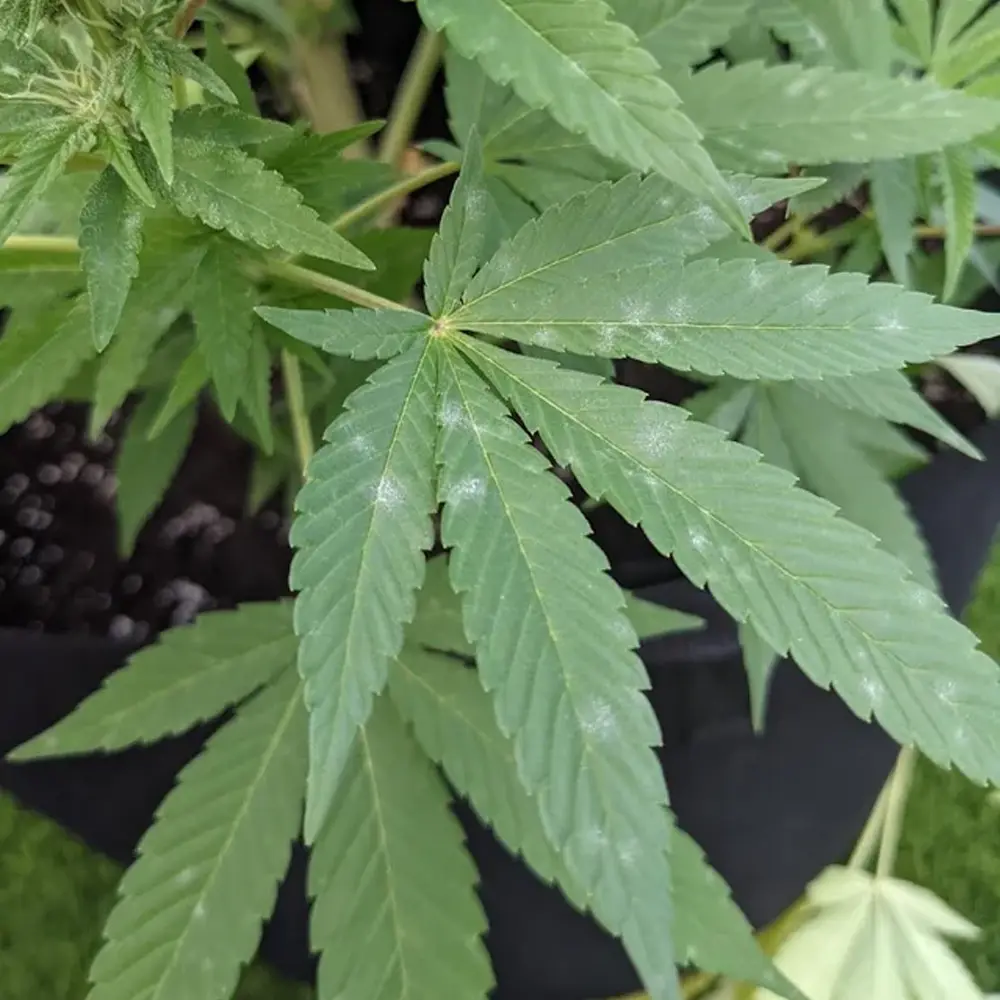
White Powdery Mildew is a widespread fungal disease that can quickly devastate a cannabis crop if left untreated. It appears as a white, powdery coating on leaves and stems, and thrives in warm, humid environments with poor air circulation. When in its early stages it can be hard to spot so just remove any leaves in question immediately if you’re uncertain.

Prevention:

  • Maintain optimal humidity levels (40-50%) and ensure proper ventilation
  • Avoid overcrowding plants and remove dead or diseased foliage promptly
  • Use preventative sprays, such as milk or baking soda solutions, before signs of WPM appear
White powdery mildew early stages on cannabis leaf

Treatment:

  • Remove the infected leaves and dispose of them safely
  • Apply milk, baking soda, or neem oil solutions to the affected plants and surrounds
  • Use commercial fungicides specifically designed for use on cannabis, following the manufacturer’s instructions carefully
  • Read more Here

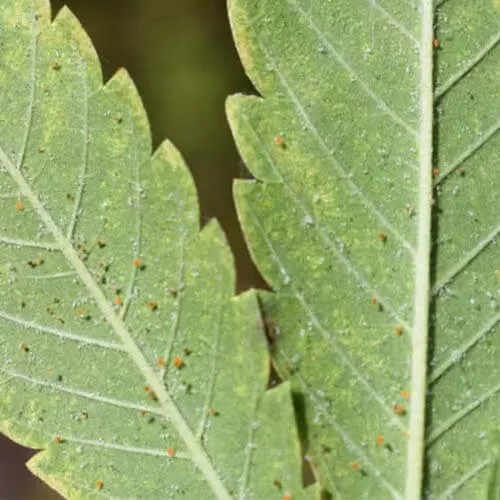
2. Rust Fungus:

Rust fungus or mold is another fungal disease that can be mistaken for nutrient deficiencies due to its reddish-brown spots on leaves. To confirm the presence of rust fungus you can rub the spots in question; if the rusty color transfers to your fingers, it’s likely rust fungus and not a nutrient issue.

Prevention:

  • Ensure proper air circulation and avoid excess humidity
  • Practice good sanitation by removing infected plant material and sterilising tools
  • Use preventative foliar sprays, such as neem oil or sulfur-based fungicides
Red rust mold on cannabis plant

Treatment:

  • Remove and dispose of infected leaves
  • Apply neem oil or other fungicides labeled for use on cannabis
  • Adjust environmental conditions to prevent further spread

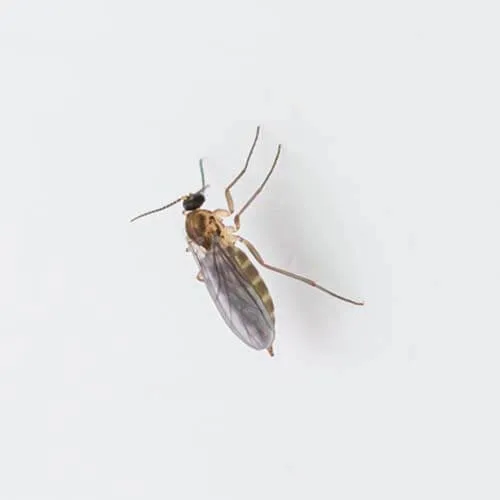
3. Fungus Gnats:

Fungus gnats, also known as “miggies” in South Africa, are small, dark-colored flies that thrive in moist soil and decomposing organic matter. While the adult flies don’t cause significant damage, their larvae feed on the plant roots, leading to stunted growth and the yellowing of leaves. Youl spot them flying around your growing area or crawling around when you water your soil. Act fast, these buggers breed like bunnies and are super annoying if ignored.

Prevention:

  • Avoid overwatering and a wet top layer of soil 
  • Ensure proper airflow around the base of the plant
  • Use well-aerated, high-quality growing soil with good drainage
  • Apply a layer of rocks, sand, perlite, or diatomaceous earth on the soil surface to discourage egg-laying
Miggies or Fungus gnats on cannabis plants

Treatment:

  • Allow the top layer of soil to dry out properly between waterings and consider bottom watering
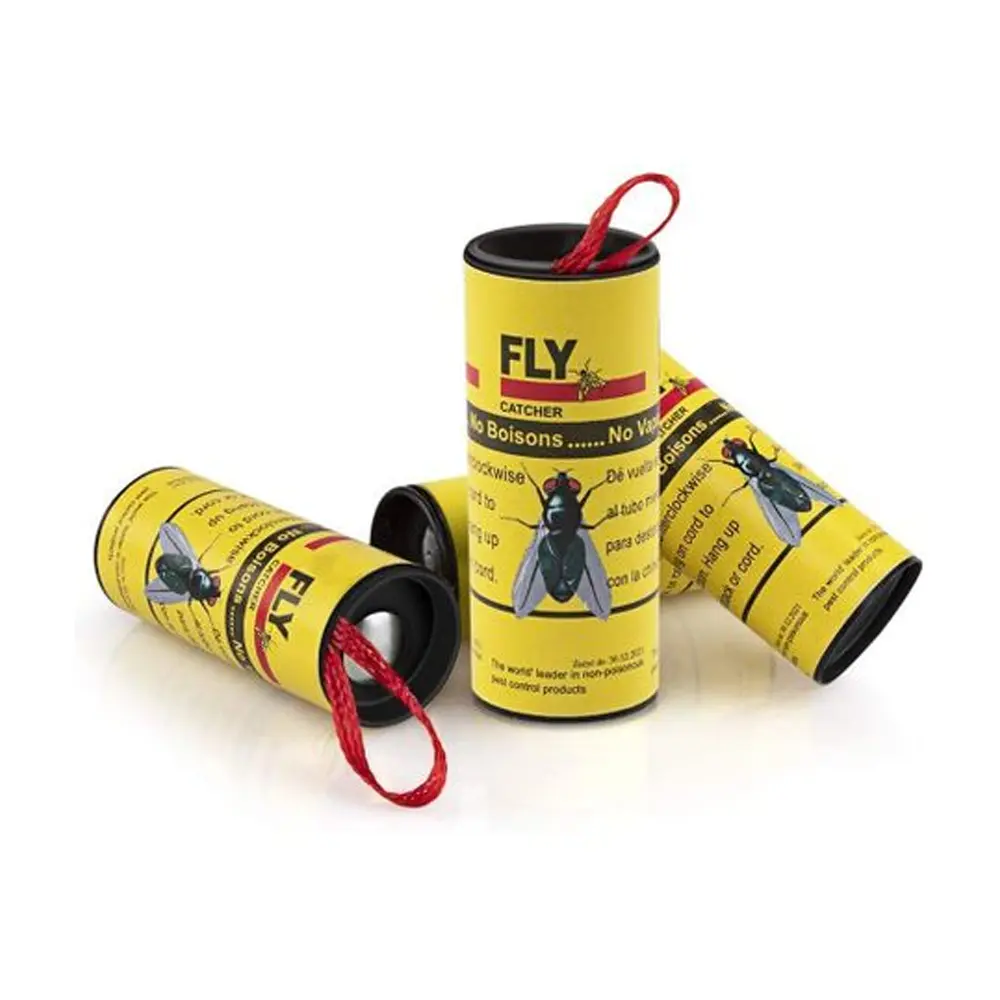
  • Use sticky fly or insect traps to capture adult flies. 
  • Spray a neem oil mixture over the soil
  • Sprinkle some diatomaceous earth over the top soil after every watering
  • Mix a solution of one part hydrogen peroxide with four parts water. Pour the mixture onto the soil around the infested plant. Hydrogen peroxide acts as an insecticide, killing the fungus gnats on contact without harming your roots. Use in moderation.
  • If your in the vegetative stage spray some doom over the soil base or use other approved insecticides only as a last resort

4. Spider Mites:

Spider mites are tiny, spider-like arachnids that feed on plant sap, causing spots, discoloration, and webbing on leaves. They thrive in hot, dry conditions and can quickly infest and destroy a cannabis crop if not controlled. They look like little dots on the bottom of your leaves but if you look closely you will see movement. They are some of the hardest pests to get rid of so prepare for a multi leg marathon not a once off solution.

Prevention:

  • Maintain optimal humidity levels (50-60%) and good air circulation
  • Regularly inspect plants for signs of infestation, especially under leaves
  • Use preventative foliar sprays, such as neem oil or insecticidal soaps
  • Remove any leaves in question and always take extreme measures if you’ve had prior problems
Res spider mites on cannabis plant

Treatment:

  • Prune heavily infested leaves and dispose of them properly
  • Spray your plants down with a strong jet of water over the leaves to dislodge the mites and temporarily lower their numbers
  • Use a fine paintbrush and apply some dry diatomaceous earth over the bottom of the leaves infested
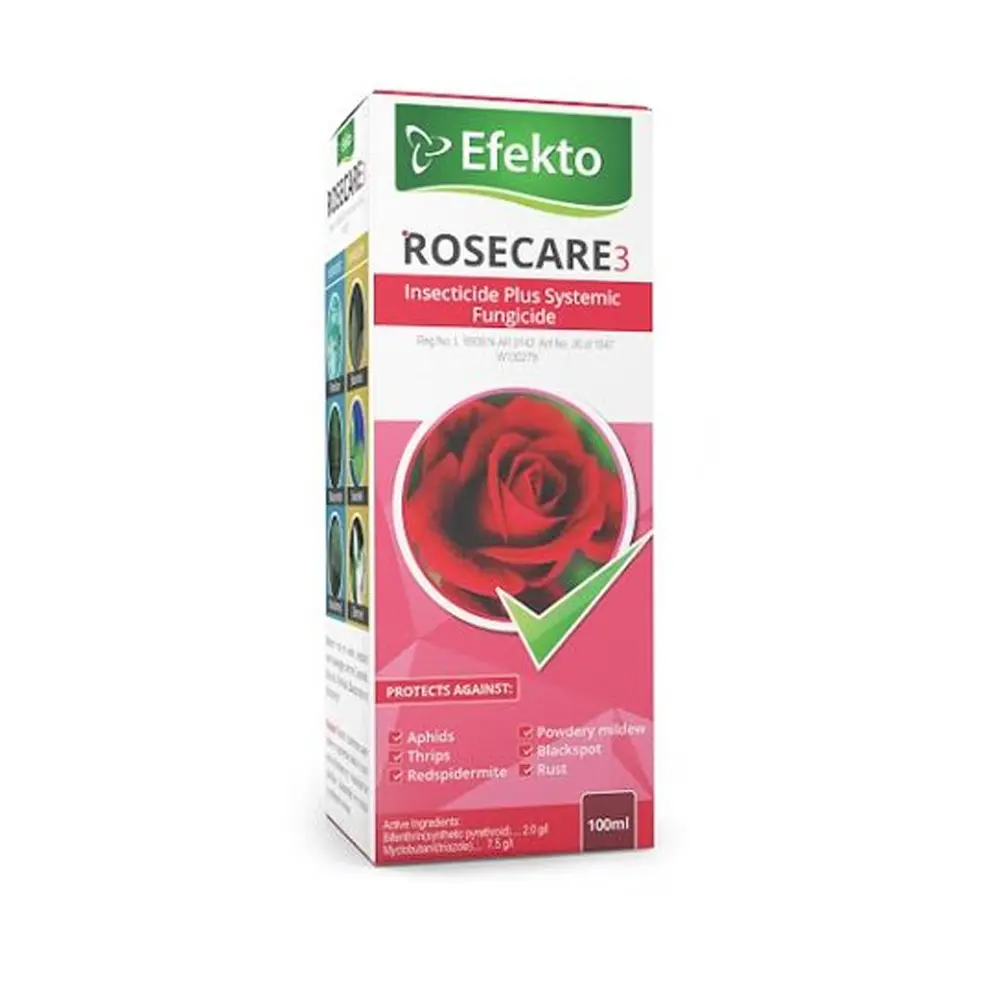
  • Apply neem oil, Rose care, insecticidal soaps, or other oils to fight off the first wave of mites and be sure to switch tactics after 7 days and prepare for the next wave of mites. The key is to kill the newborn mites of the 2nd wave before they lay more eggs
  • Introduce predatory mites, such as Phytoseiulus persimilis, for biological control
  • If all else fails, give up, burn your plants, then your house and move to a new neighborhood far away – just kidding! But take note that spider mite infestations are not easy to get rid of especially if you’ve just started to flower your plants.

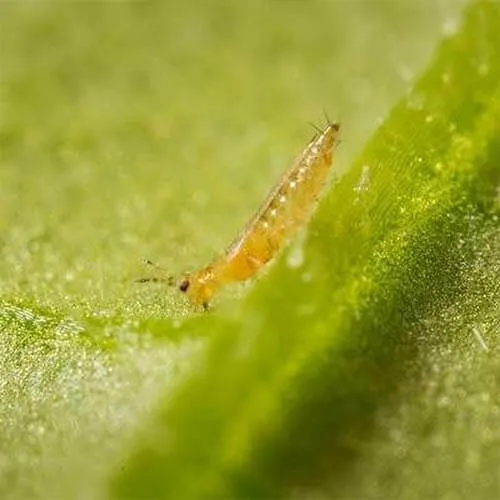
5. Thrips:

Thrips are small but relatively fast moving insects that act similar to aphids. They can be seen with the naked eye and crawl around under your cannabis leaves biting into the cells and sucking out the nutrients. At first the leaves will appear to have small white spots similar to other pest bites, but over time the leaves will look as if small snails crawled all over them leaving a trail of shiny substance behind similar to dried up spit. In more advanced cases the leaves will wither and die. Thribs cannot harm your buds in late flowering but it will damage and stress your plant lowering overall yields. They can be difficult to control once established over multiple plants, so prevention is key.

Prevention:

  • Use fine mesh screens on all your grow room or greenhouse vents to prevent entry – ladies stockings work great as a cheap fix. 
  • Ensure proper airflow around stems and base of the plant
  • Maintain a clean growing environment and remove weeds or debris around the outdoor grow area
  • Use sticky traps to monitor for early signs of infestation
Thrips on Cannabis plant

Treatment:

  • Prune infested leaves and dispose of them safely
  • Spray your plants down with a strong jet of water over the leaves to dislodge them and lower their numbers
  • Use a fine paintbrush and apply some dry diatomaceous earth over the top and bottom of the leaves in suspect
  • Apply insecticidal soaps, neem oil, or sprays according to the instructions only if the infestation is out of hand – these pests do not pose a serious threat to justify extreme measures if you are close to harvesting
  • Use beneficial insects as biological control agents, such as predatory mites, lady bugs or parasitic nematodes.

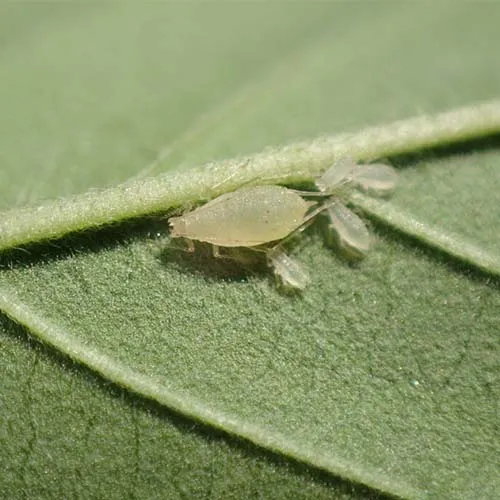
6. Aphids:

Aphids are similar to thrips and are small, soft-bodied insects that pierce leaves and suck on plant sap for food, causing distorted growth, yellowing leaves, and the production of a soft sugary secretion which can lead to other diseases. They can reproduce quickly and lay many eggs,making them a serious threat to cannabis crops. They generally appear on the underside of leaves like trips but look fatter and more like ticks whereas thrips are skinnier, faster and longer bodied.

Prevention:

  • Use fine mesh screens on all your grow room or greenhouse vents to prevent entry – ladies stockings work great as a cheap fix.  
  • Encourage natural predators, such as ladybugs, lacewings, and parasitic wasps, by planting companion plants – One of the most effective ways to control aphids in your garden is to introduce beneficial insects that prey on them. These insects are all natural predators of aphids and can help keep their populations in check. 
  • Regularly inspect plants for signs of infestations, spots or eggs – especially on new growth and the undersides of leaves.
Aphids on cannabis leaf

Treatment:

  • Spray plants with a strong jet of water to dislodge aphids
  • Aphids hate garlic so mix a teaspoon or two of the garlic infused oil found at the top of any store bought crushed garlic with 1 liter of water and a few drops of insecticidal soap and spray all the affected leaves and surrounds thoroughly once per week.
  • Apply insecticidal soaps, neem oil, or horticultural oils according to the label instructions
  • Use biological control agents, such as parasitic wasps or predatory mites

7. Leaf Miners:

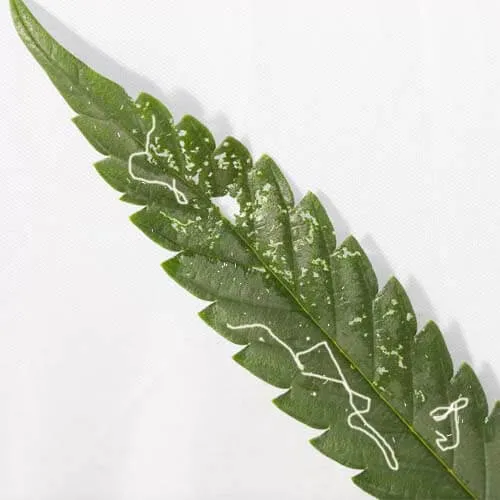
Leaf miners is a generic term used for the larvae of various fly, moth, and beetle species that tunnel inside the upper and lower leaf surfaces, creating visible, spaghetti like paths. While they rarely kill plants, they can reduce photosynthesis and overall plant health or yield.

Prevention:

  • The use of material covers like floating row covers to prevent flying pests from laying eggs on leaves is probably your best solution for outdoor growing
  • Use fine mesh screens on all your grow room or greenhouse vents to prevent entry – ladies stockings work great as a cheap fix. 
  • Encourage natural predators, such as parasitic wasps and predatory mites with companion planting
Leaf miners on cannabis leaf

Treatment:

  • Remove and destroy any dead or infected leaves to break the life cycle
  • Monitor your plants closely and squeeze the leaves tightly around the affected areas to kill any larvae or simply cut off or remove the infected sections of the leaf. 
  • Apply neem oil or insecticidal soaps according to the label instructions
  • Use biological control agents, such as ladybug, parasitic wasps or predatory mites

8. Whiteflies:

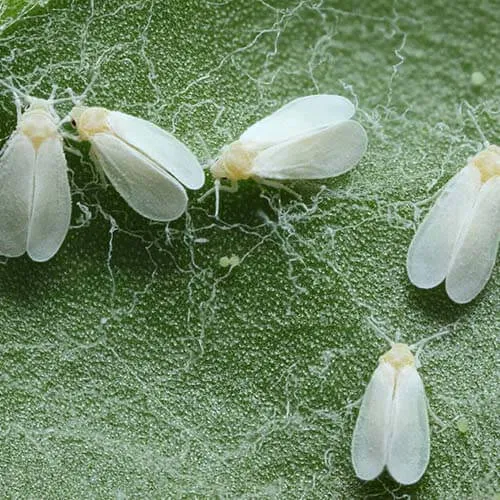
Whiteflies are small, moth-like insects that grow to be about 2mm in size and feed on plant sap, causing yellowing, stunting, and the production of honeydew. They act similar to spider mites in many ways but are generally easier to spot. Adult White flies fly around and are mostly found on the top of leaves whereas the babies and eggs live about 3-4 weeks at the bottom of leaves. White spots and bite marks are signs of an infestation. They lay about 50 eggs each in groups of circular patterns under the cannabis leaf and this too can be easily spotted.

Prevention:

  • Use fine mesh screens on all your grow room or greenhouse vents to prevent entry 
  • The use of material covers like floating row covers to prevent flying pests from laying eggs on leaves is probably your best solution for outdoor growing
  • Regularly inspect plants for signs of infestation, especially on the undersides of leaves
  • Use yellow sticky traps to monitor for early signs of infestation
  • Ensure proper airflow around stems and base of the plant
  • Use preventative foliar sprays, such as neem oil or insecticidal soaps
White fly on cannabis plant

Treatment:

  • The treatment for White flies is exactly the same as for Spider mites and both pests quickly build up a resistance to the pesticides so you should mix up your treatment methods every time. Whiteflies are slightly less dangerous to Autoflowers than Spider mites because they reproduce slower and cannot ruin your harvest in time.
  • Spray your plants with a strong jet of water to dislodge any present whiteflies
  • Apply insecticidal soaps, neem oil, or horticultural oils according to the label instructions
  • Use biological control agents, such as ladybugs or predatory mites

9. Snails and Slugs:

Snails and slugs are common garden pests that can feed on cannabis leaves and stems, causing holes and damage to the plant. They are most active at night and during wet weather.

Prevention:

  • Remove hiding spots such as debris, weeds, and stones around the grow area
  • Use barriers such as copper tape or diatomaceous earth around the base of plants
  • Encourage natural predators like birds, frogs, and beetles

Treatment:

  • Handpick snails and slugs from plants and dispose of them
  • Use organic deterrents from your local gardening store
  • Sprinkle finely broken egg shells around the base of your plant
  • Apply nematodes to the soil to control snail and slug populations

10. Caterpillars:

Various species of caterpillars can feed on cannabis leaves, stems, and buds. They can cause significant damage to the plant and reduce yields.

Prevention:

  • Use floating row covers to prevent adult moths from laying eggs on plants
  • Encourage natural predators such as wasps, birds, and spiders
  • Companion plant with herbs like basil, dill, and cilantro to deter moths
  • Spray a chili and garlic oil and water solution over your plants

Treatment:

  • Manually remove caterpillars from plants and dispose of them
  • A vinegar and water solution will kill or repel most garden pests, including caterpillars. Mix 1 tablespoon of vinegar with 2 liters of water, and spray wherever you’ve seen caterpillars.
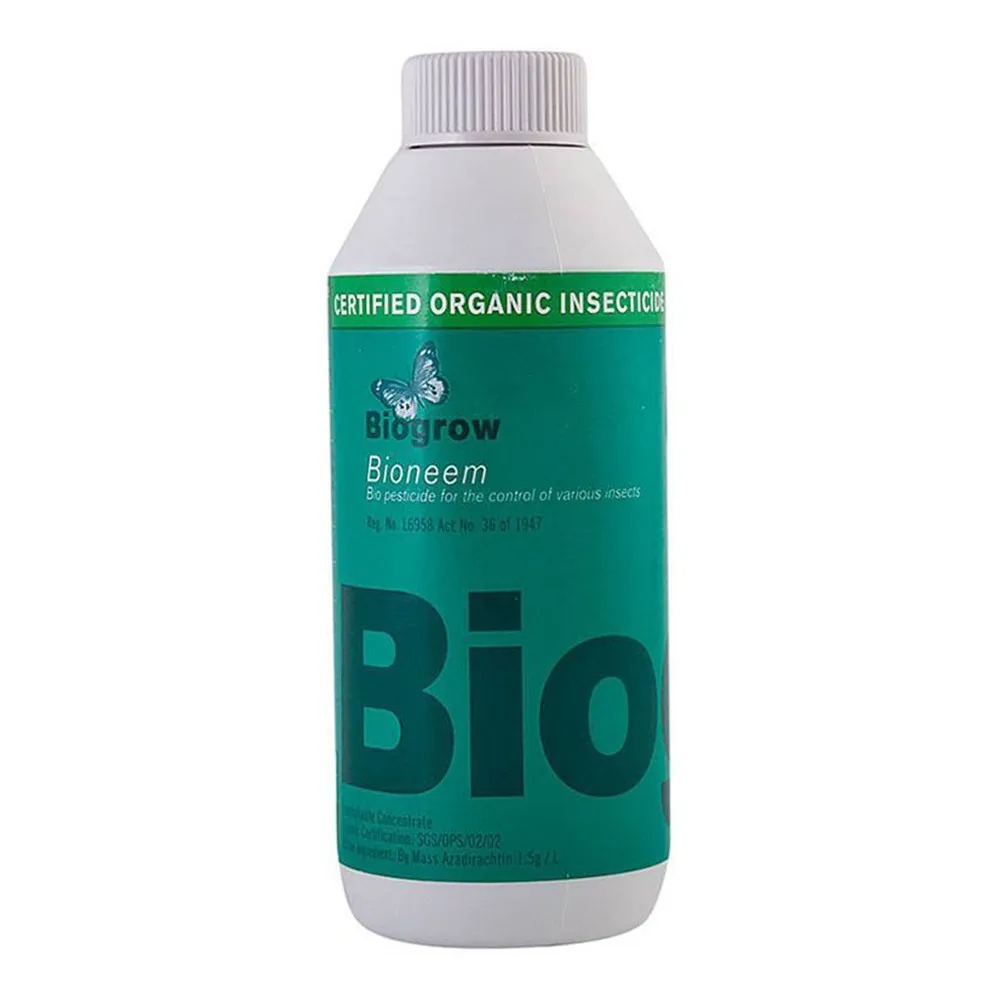
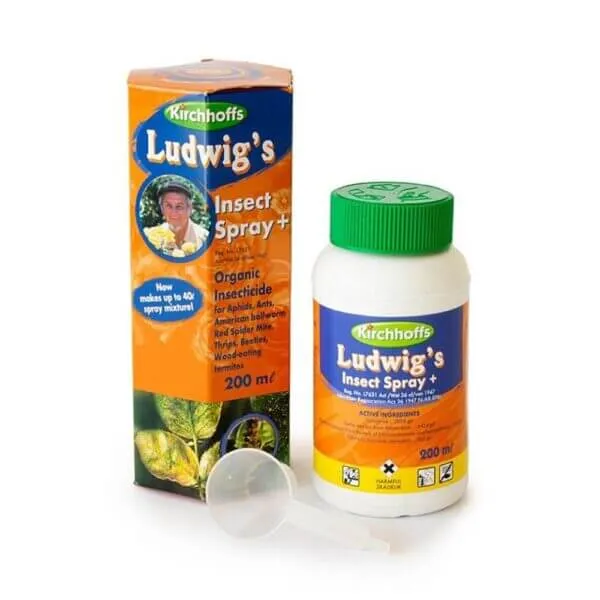
  • Use natural insecticides like neem oil or ludwigs insect spray to control populations
  • Apply Bacillus thuringiensis (Bt) or spinosad according to the label instructions

11. Crickets and Grasshoppers:

Crickets and grasshoppers can chew on cannabis leaves and stems, causing damage and reducing plant health.

Prevention:

  • Keep the grow area clean and remove any debris or tall grass that may attract crickets and grasshoppers
  • Use floating row covers to prevent access to plants
  • Encourage natural predators like birds, spiders, and praying mantises

Treatment:

  • Manually remove crickets and grasshoppers from plants
  • Apply diatomaceous earth or insecticidal soaps to control populations
  • Use natural insecticides like neem oil or pyrethrin according to the label instructions

12. Birds:

Birds can cause damage to cannabis plants by feeding on your seeds, seedlings, and young leaves or plants. They can also damage buds and reduce yields and even poop all over your buds. Not the final taste you are going for we assume?

Prevention:

  • Use bird netting, a greenhouse or floating row covers to prevent access to plants
  • Install bird deterrents like reflective tape, fake owls, or wind chimes
  • Companion plant with herbs like basil, mint, and lavender to deter birds

Treatment:

  • Use bird netting, a greenhouse or floating row covers to prevent access to plants
  • Install bird deterrents like reflective tape, fake owls, or wind chimes
  • Place rubber snakes around the base or in your plant
Seed and Soil SA Logo

Sub Topics

SA Cannabis Breeders and local seed distributors
About us

Featured Products

Featured Guides

Sign up to our Promotion List

Grow kits For Sale

All In One Grow Kits

Feminised Seeds, Cannabis Soil, Pot, Tray & Instructions

Homemade and Organic Pest Control Solutions

In addition to the commercial pest control products we sell, there are several effective homemade and organic solutions that can help manage pests and diseases in your garden. These solutions are often safer, more environmentally friendly, and less likely to affect the quality of your final product.

1. Dish Soap:

Dish soap like sunlight liquid is a great way to deter leaf sucking insects like spider mites or aphids. Mix 1 teaspoon with one liter of water and spray the plant. Do not make the mixture too strong as it can harm your plants if used excessively. The soapy film left behind on the leaves will create an unpleasant taste and texture, discouraging pests from consuming the plant while simultaneously suffocating them, effectively reducing their desire to feed on the treated foliage.

2. Canola Oil:

All vegetable oils are great for keeping sap-sucking pests like mites or aphids at bay but canola oil is considered one of the best types. Mix a tablespoon of oil with a teaspoon of sunlight soap to emulsify it into 1 liter of water and spray over your leaves. The oil suffocates the soft bodied insects by blocking their air holes.

3. Hydrogen Peroxide:

A hydrogen peroxide and water mixture of 1:1 can be extremely beneficial as a natural pest control method. Be aware though that while this solution is not harmful to your plant itself in low quantities, it kills all  bacteria, insect larvae and fungal spores, so it also kills beneficial microbes and other potentially beneficial organisms like earthworms.

4. Bicarb and Water:

Bicarbonate of soda or baking soda and water mixtures are 100% organics, keeping their numbers in check without the need for chemical interventions.

5. Companion Planting:

This encoumpases planting certain companion plants alongside your cannabis crop to help repel pests and attract beneficial insects. Examples include basil, marigolds, and chamomile, to help deter aphids, thrips, or whiteflies.

6. Milk Spray:

Mixing 1 part milk with 9 parts water creates an effective foliar spray against powdery mildew. The proteins in milk help combat the fungus and boost the plant’s natural defenses. Apply the solution weekly as a preventative measure or more frequently if signs of infection appear. and can be a powerful homemade pesticide when used as foliar spray. Combine it with neem oil or insecticidal soaps for the best results. Mix 1 -2 teaspoons of baking soda with 1 liter of water and spray the infected areas of a plant weekly or as a preventative measure.

7. Chili Garlic Oil:

Chili garlic oil is a powerful, all-natural pest repellent that can be easily made at home using simple ingredients. The combination of garlic and chili peppers creates a potent mixture that deters a wide range of common garden pests, including aphids, spider mites, and whiteflies.
Garlic contains sulfur compounds that emit a strong odor, which can effectively repel pests. Chili peppers, on the other hand, contain capsaicin, a compound that gives them their signature heat and acts as a natural insecticide. When combined with oil, these ingredients form a long-lasting, water-resistant barrier on plant leaves, making them less appealing to pests. When preparing or applying the chili garlic oil spray, wear gloves and avoid getting the spray in your eyes.
Blend a couple of chillies and some garlic into a 1:1 oil and water solution of no more than 1 liter. Let the mixture rest for at least 24 hours. Blend it again and dilute it 1:10 with water before spraying the plants.

8. Neem Oil:

Neem oil is a versatile, organic pest control solution that works against a wide range of insects and mites. It disrupts the life cycle of pests and can also prevent fungal diseases like powdery mildew.

9. Cinnamon Powder:

Cinnamon boasts both antibacterial and antifungal properties, making it an effective tool for minimizing fungal growth in your potting soil. This deters fungus gnats as their food source is depleted. It also dehydrates them in a similar way to diatomaceous earth.  Simply sprinkle some cinnamon powder over the top layer of your soil after each watering to deter fungus gnats

10. Diatomaceous Earth:

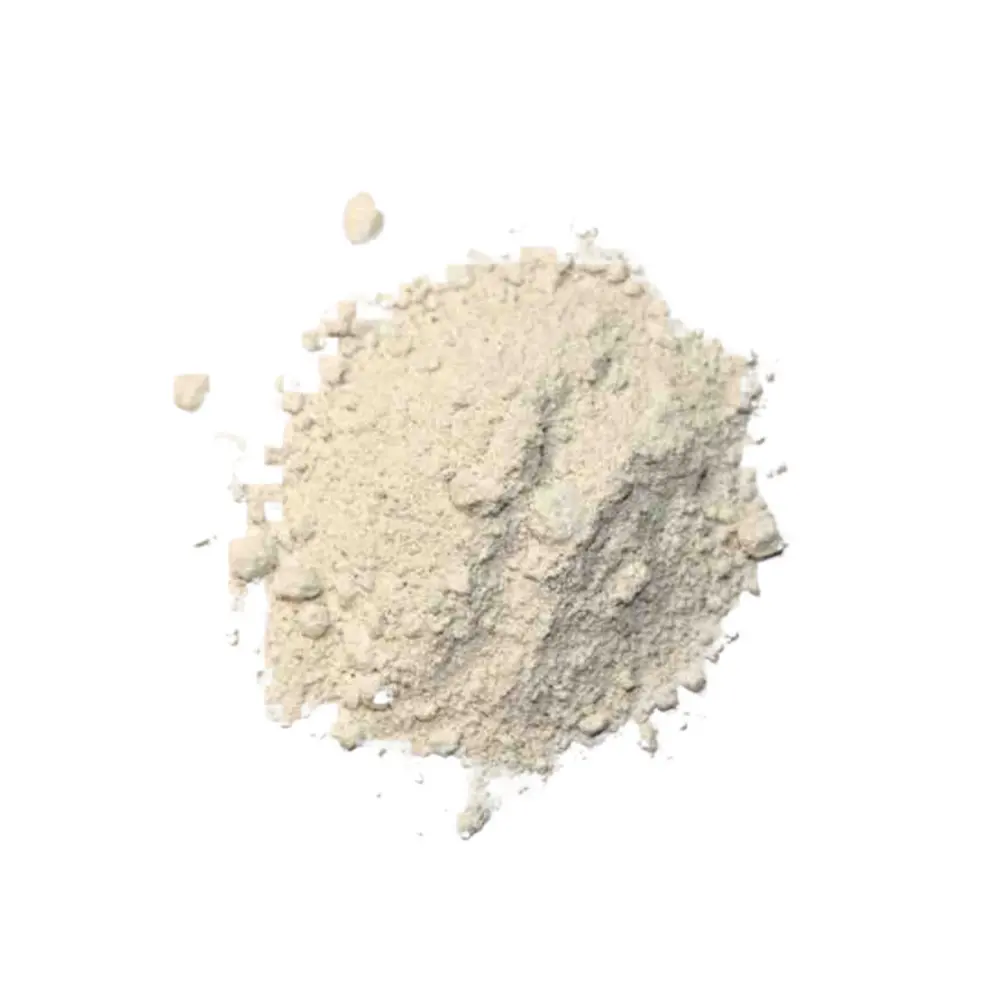
Diatomaceous earth (DE) is a naturally occurring, soft, sedimentary rock that is easily crumbled into a fine, off-white powder.

It is composed of the fossilized remains of single-celled aquatic organisms called diatoms and is a powerful and versatile tool in the world of organic pest control.The microscopic, razor-sharp edges of the diatomaceous earth particles lacerate exoskeletons, causing pests to dehydrate and ultimately die. Making it very effective against fungus gnats, thrips, or spider mites. Diatomaceous earth is safe for humans and larger animals, making it an excellent choice for eco-conscious cannabis growers.


To use diatomaceous earth in your cannabis garden, simply sprinkle a fine layer of the powder on the surface of your soil, around the base of your plants, or in areas where pests are likely to congregate. DE will continue to work as long as it remains dry, so be sure to reapply after watering or rain. For added protection, you can also create a DE solution by mixing 1 tablespoon of DE with 1 liter of water and apply it as a foliar spray. This method is particularly effective against soft-bodied pests like aphids and whiteflies.

11. Insecticidal Soap mixtures:

These are potassium based soaps easily found in any gardening aisle. They effectively control soft-bodied insects like aphids, thrips, and whiteflies. They work by disrupting the insect’s cell membranes, causing dehydration and death.

12. Vinegar Water Mix:

A vinegar and water solution will kill or repel most garden pests. Mix 1 tablespoons of vinegar with 2 liters of water, and spray over plants weekly

13. Plant Oils:

Natural oil extracts like ludwigs insect spray contain organic extracts and oils such as, garlic, canola, soybean, or mineral oils, which can smother and kill various insects and mites, including spider mites, aphids, and whiteflies. They also help control fungal diseases by preventing spore germination.

14. Beneficial insects:

Mites or other insects such as ladybugs, lacewings, and predatory mites, can help manage pest populations naturally. These organisms feed on common cannabis pests

Conclusion

Protecting your cannabis plants from pests and diseases is crucial for a successful harvest. By understanding the common issues that affect cannabis in South Africa, implementing preventative measures, and using appropriate treatment methods when necessary, you can ensure a healthy, high-quality crop.

Remember, the key to effective pest and disease management is early detection and swift action. Regularly inspect your plants for signs of trouble and address any issues promptly to prevent them from spreading and causing significant damage.

At Seed and Soil, we are committed to providing our customers with the knowledge, resources, and products they need to grow exceptional cannabis. Browse our selection of high-quality seeds, nutrients, and pest control measures for piece of mind and guaranteed success.

Seed and Soil SA Logo

Sub Topics

SA Cannabis Breeders and local seed distributors
About us

Featured Products

Featured Guides

Sign up to our Promotion List

Grow kits For Sale

All In One Grow Kits

Feminised Seeds, Cannabis Soil, Pot, Tray & Instructions

Cannabis Pests In SA Read More »

The Perfect Pot Size

What Is The Perfect Pot Size?

The answer mainly depends on your size and stage of growth as well as the type of cannabis plant you are growing, but make no mistake the humble pot can make or break your grow game – too small, and your roots will be gasping for air like a fish out of water. Too big, and you’re practically inviting root rot and fungal friends to the party. Fear not, we’re about to dive into the world of pot size perfection, so you can give your cannabis the Goldilocks treatment – not too big, not too small, but just right.

Black plastic pot range by Seed and Soil SA

Autoflowers vs. Photoperiods: The Tale of Two Pot Sizes

Before we get into the nitty-gritty, let’s address the elephant in the grow room: autoflowers and photoperiods have different pot size needs.

Autoflowers: The Compact Cousins

Autoflowering strains are like the overachieving students of the cannabis world. They’ve got their life cycle on lock, going from seed to harvest in just 10-12 weeks. With their compact stature and short growing period, autoflowers don’t need a massive pot to thrive and don’t like to be transplanted either as it can cause stress and stunt growth. Unless you have tons of growing experience it is advised to start your autoflower in its final pot.

A pot size ranging from 8 liters to 20 liters hits the sweet spot. Smaller pots work like a charm if you’re tight on space or aiming for a more compacted plant. But if you want to give your autoflower a bit more room to stretch its roots, opt for our 17ltr Fabric pots for optimal growth and root development.  View

Some growers have been known to plant autos into pots as large as 30 liters to achieve massive yields, but these are for selected strains and involves numerous training techniques and extensive growing experience

Photoperiods:

Photoperiod strains dont have a strict growth timeline like Autoflowers and thus have different needs. They’ll happily veg and grow as big as you let them, turning into 2-meter trees if you’re not careful. With that kind of flexibility, their pot size needs are a bit more complex.

Start your seedlings in small pots less than one liter so that you have better control over their moisture levels and root development. For photoperiods in veg aged 3-5 weeks, a trusty 5-liter pot should do the trick switching to a 10 -15 liter pot before your plant flowers. If you’re letting them veg for longer like 6 weeks or more, upgrade to a 15-20 liter pot to accommodate their growing root system and prepare to upgrade even further if the plant grows too large during the flowering phase

If you’re really letting your plants stretch their legs with an extended veg period, you’ll want to give them some serious root real estate. We’re talking 30-40 liters or even larger pots to keep those roots happy and thriving.

Pot Material Matters Too

Now, let’s talk pot material for a sec. 

Plastic pots are the trusty ol’ faithful – affordable and easy to find. But they can also hold onto moisture a little too well, increasing the risk of root rot or nutrient lockout. Transplanting plants from plastic containers is much easier because of their harder shell so it might be something to consider if you’re planning on transplanting your plant to various pot sizes later on.

Fabric pots are like the new cool kids on the block with their eco friendly approach and air pruning capabilities. They allow for air pruning, which means your roots get a little taste of fresh air, encouraging them to grow into a nice, fibrous system and avoiding root lock. If you’re growing outdoors or in a hot climate, fabric pots are the way to go. They stay cooler in direct sunlight compared to plastic pots but make no mistake they also have their drawbacks – Their soft shell means the bottom of the pot is squashed and may remain moist or damp encouraging pests and diseases. They need more frequent watering and are more difficult to transplant as roots can stick to the fibrous linings of the pot, or the soil edges can break up in clusters breaking off roots when transplanting.

Seed and Soil 17L Fabric Pot (Black)
2 Bato 10L Square pots

Finding Your Perfect Pot Size

At the end of the day, finding the perfect pot size for your cannabis is all about striking that delicate balance between root space and moisture retention. It’s like a game of Goldilocks – not too big, not too small, but just right.

At Seed and Soil SA, we get it. That’s why our deluxe grow kits come with a trusty 17-liter fabric pot, perfect for autoflowers or photoperiod plants with a shorter veg period, giving your plants plenty of room to stretch their roots while keeping them cool in the sun. We also include a special bottom layer of leca balls to prevent moisture build up on the bottom layer. 

Whether you’re growing autoflowers or photoperiods, indoor or outdoor, just remember: pot size matters. We like to think of it this way: If you squash all the plant material on top of the soil into a ball will it fit into the pot you have planted in? If the answer is no or even maybe you likely have a pot that is too small. Get your pot size right, and you’ll be harvesting like a pro in no time. Get it wrong, and well… let’s just say you might have a case of imminent root lock on your hands.

Seed and Soil SA Logo

Sub Topics

SA Cannabis Breeders and local seed distributors
About us

Featured Products

Featured Guides

Sign up to our Promotion List

Grow kits For Sale

All In One Grow Kits

Feminised Seeds, Cannabis Soil, Pot, Tray & Instructions

The Perfect Pot Size Read More »

Cannabis Nutrients and Deficiencies

Cannabis Nutrients And Deficiencies

Growing cannabis isn’t always a walk in the park. One of the more common issues that growers face is small yields due to nutrient deficiencies. These occur when your plants aren’t getting the right balance of nutrients, which can lead to stunted growth, yellowing leaves, and ultimately, a less-than-great harvest.

In this comprehensive guide, we’ll be diving deep into the world of cannabis and nutrient deficiencies. We’ll cover everything from understanding your plants’ nutritional needs to identifying common deficiencies and implementing effective prevention and treatment strategies.

NPK Guide to Cannabis nutrients

Understanding Cannabis Nutrient Needs

Before we get into the nitty-gritty of nutrient deficiencies, it’s crucial to understand what nutrients plants actually need to thrive. Just like humans, all plants require a balanced diet of macronutrients and micronutrients to grow and develop properly.

The 3 Main Macronutrients That Cannabis Plants Need Are:

  1. Nitrogen (N): Nitrogen is essential for leaf growth and chlorophyll production. It’s especially important during the vegetative stage when plants are focused on developing a strong canopy and healthy leaves.
  2. Phosphorus (P): Phosphorus plays a vital role in root development, stem strength, and flower production. It’s most critical during the early flowering stage when plants transition from vegetative growth to bud development.
  3. Potassium (K): Potassium is responsible for overall plant health and although it is listed 3rd it is actually the 2nd most important macronutrient, responsible for disease and stress resistance, and the production of terpenes and cannabinoids. It’s important throughout the entire growth cycle, but especially during the flowering stage.

In addition to these macronutrients, cannabis plants also require smaller amounts of micronutrients such as calcium, magnesium, iron, and zinc. While they’re needed in smaller quantities, they’re just as important for proper plant development and overall health.

It’s essential to provide your plants with the right balance of these nutrients at each stage of growth. During the vegetative stage, plants require higher levels of nitrogen to support leaf growth and chlorophyll production. As plants transition into the flowering stage, their phosphorus and potassium needs increase to support bud development and overall plant health.

Using a good nutrient rich living soil is the best way to buffer your plant long term against any nutrient deficiencies, however, over time the nutrients of any potted plant will need replenishment. Autoflowers have a limited life span so they are far more forgiving when planted in a good growing medium compared to photoperiodic plants.

Common Cannabis Nutrient Deficiencies

Now that we have a basic understanding of what nutrients cannabis plants need, let’s take a closer look at some of the most common nutrient deficiencies and how to identify them.

1. Nitrogen Deficiency (N)

Nitrogen deficiency is one of the most common issues that cannabis growers face. It typically starts with the lower leaves turning pale green or yellow while the upper leaves remain green. As the deficiency progresses, the yellowing will move up the plant, and the leaves may start to fall off.

Symptoms of nitrogen deficiency include:

  • Stunted growth
  • Thin, long, weak stems
  • Reduced flower production

If you do notice signs of nitrogen deficiency, you can try the following remedies:

  • Apply a foliar spray of fish emulsion or seaweed extract like biobizz fish mix
  • Top dress your soil with organic nitrogen sources such as worm castings, live earthworms, blood meal, or bat guano
  • Increase or use nitrogen-rich supplements during the vegetative stage. Look for fertilizers with an NPK ratio that has a higher first number (nitrogen) compared to the other two numbers (phosphorus and potassium). Eg 5-2-3

2. Phosphorus Deficiency (P)

Phosphorus deficiency can be a bit trickier to identify, as the symptoms can vary depending on the stage of growth but it is a rarer problem by comparison. In young plants, phosphorus deficiency can cause stunted growth and dark green or brownish leaves. In flowering plants, it can lead to small, underdeveloped buds and a general lack of vigor with yellow and brown spots on older growth. The leaf will start to die and change in colour first either by turning yellow or brown all along the leaf edges.

Symptoms of phosphorus deficiency include:

  • Thin, weak stems
  • Reduced root growth
  • Increased susceptibility to pests and diseases

To prevent phosphorus deficiency, make sure you’re using a fertilizer with a higher phosphorus ratio during the early flowering stage. Look for fertilizers with an NPK ratio that has a higher second number (phosphorus) compared to the other two numbers (nitrogen and potassium). Eg 3-7-4

If you do notice signs of phosphorus deficiency, you can try the following remedies:

  • Apply a foliar spray of seabird guano or bone meal tea
  • Top dress your soil with organic phosphorus sources such as rock phosphate or bone meal
  • Increase the amount of phosphorus in your nutrient solution

Note: It is a common mistake for growers to try supplement phosphorus. High levels of soluble phosphorus can decrease microbial life and stunt root development so it comes with its own problems. Most balanced fertilizers for both the veg and bloom stage contain phosphorus so deficiencies are fairly rare.

A guide to Nitrogen deficiencies in cannabis
A guide to phosphorus deficiencies in cannabis

3. Potassium Deficiency (K)

Potassium deficiency is probably the most difficult to identify but typically starts with the lower leaves turning yellow or brown unevenly around the edges while the center of the leaf remains a healthy green. As the deficiency progresses, the yellowing will move up the plant stem, and the leaves may start to curl or twist from all sides which is normally its tell tale sign. If you think you have a potassium deficiency in the vegetative stage you are likely mistaken as this deficiency is most commonly associated with the flowering phase.

Symptoms of potassium deficiency include:

  • Weak, brittle stems with a shorter internodal space
  • Dark and over green leaves in the veg stage
  • Uneven yellow or brown leaves starting from the bottom of the plant
  • Brown curling and dead spots throughout all the edges of the leaf not just the tips
  • Reduced flower size and bud production
  • Increased susceptibility to pests and diseases
  • More frequent waterings are required and heat stress symptoms show

To prevent potassium deficiency, make sure your growing medium does not have too many salts or sodium in it and use a fertilizer with a balanced NPK ratio from the start as this is a slow moving nutrient and required throughout the entire growth cycle especially in the flower stage. Look for fertilizers with an NPK ratio that has equal numbers for all three nutrients or close, and follow their instructions.

If you do notice signs of potassium deficiency, you can try the following remedies:

  • Apply a foliar spray of kelp extract or wood ash tea
  • Top dress your soil with organic potassium sources like a 1:20 wood ash and water solution
  • Increase the amount of potassium in your watering nutrient solution
A guide to Potassium deficiencies in cannabis

4. Calcium Deficiency (Cal)

Calcium deficiencies can cause a variety of issues like curled or cupped leaves, and brown or yellow blotches coupled with stunted growth. In severe cases, it can even lead to bud rot or other fungal infections.

Symptoms of calcium deficiency include:

  • Brown blotches and yellowing leaves
  • Weak, brittle stems
  • Curdled drooping leaves
  • Slow root development and growth
  • Bud rot

To prevent calcium deficiency, make sure both your soil and water are within the correct PH range. PH Issues are the main cause of calcium uptake deficiencies even when using a calcium-rich supplement such as cal-mag. You can also try adding crushed eggshells or sea shells to your soil mix although these take a long time to break down and won’t be a short term fix.

If you do notice severe signs of calcium deficiency, you can try the following remedies:

  • Apply a foliar spray of calcium chloride or calcium nitrate
  • Top dress your soil with PH balanced gypsum or dolomitic lime solution
  • Increase the amount of calcium in your nutrient solution

5. Magnesium Deficiency (Mg)

Magnesium deficiency typically starts with the lower leaves turning yellow between the veins while the innerveins themselves remain green. As the deficiency progresses, the yellowing will move up the plant, and the leaves may start to curl or twist.

Other symptoms of magnesium deficiency include:

  • Stunted growth
  • Reduced flower production
  • Increased susceptibility to pests and diseases

To prevent magnesium deficiency, make sure your coco coir is properly buffered with Cal Mag before planting anything in it. Read more here (*) You can also try adding dolomite lime or epsom salts to your soil mix.

If you do notice signs of magnesium deficiency, you can try the following remedies:

  • Apply a foliar spray of Epsom salts or magnesium sulfate
  • Top dress your soil with Epsom salts or dolomite lime
  • Increase the amount of magnesium or cal mag in your nutrient solutions
Calcium deficiency in cannabis
Magnesium deficiency in cannabis plants
Seed and Soil SA Logo

Sub Topics

SA Cannabis Breeders and local seed distributors
About us

Featured Products

Featured Guides

Sign up to our Promotion List

Grow kits For Sale

All In One Grow Kits

Feminised Seeds, Cannabis Soil, Pot, Tray & Instructions

Preventing Nutrient Deficiencies

While it’s important to know how to identify and treat nutrient deficiencies, it’s even better to prevent them from happening in the first place. Here are some tips for preventing nutrient deficiencies in your cannabis plants:

    1. Start with good genetics: Choose easy to grow strains that are known for being hardy and resilient. Avoid strains that are untested or prone to  nutrient deficiencies or other issues.
    2. Use a high-quality grow medium: Invest in a high-quality, nutrient-rich soil mix that’s specifically designed for cannabis. Look for soil mixes that contain organic matter such as compost, worm castings, and perlite for improved drainage and aeration.
    3. Monitor pH levels: Make sure your soil and watering solution stays within a general pH level of between 6.0 and 7.0. Imbalances can prevent your plants from absorbing nutrients properly, even if they’re present in the soil or water.
    4. Use the right fertilizers: Choose fertilizers that are specifically designed for cannabis and follow the manufacturer’s instructions carefully. Never overdo it with the nutrients, as this can lead to nutrient burn and other issues.
    5. Keep an eye on environmental factors: Make sure your grow room has proper ventilation, humidity levels, and temperature control. Extreme environmental conditions can stress your plants and make them more susceptible to nutrient deficiencies.
    6. Implement a regular feeding schedule: Consistency is key when it comes to feeding your plants. Develop a regular feeding schedule based on your plants’ growth stage and stick to it as closely as possible.
    7. Use organic amendments: Incorporating organic amendments such as compost, bat guano, worms and worm castings into your soil mix can help provide a slow-release source of nutrients throughout the growing cycle.

In addition to these macronutrients, cannabis plants also require smaller amounts of micronutrients such as calcium, magnesium, iron, and zinc. While they’re needed in smaller quantities, they’re just as important for proper plant development and overall health.

It’s essential to provide your plants with the right balance of these nutrients at each stage of growth. During the vegetative stage, plants require higher levels of nitrogen to support leaf growth and chlorophyll production. As plants transition into the flowering stage, their phosphorus and potassium needs increase to support bud development and overall plant health.

Using a good nutrient rich living soil is the best way to buffer your plant long term against any nutrient deficiencies, however, over time the nutrients of any potted plant will need replenishment. Autoflowers have a limited life span so they are far more forgiving when planted in a good growing medium compared to photoperiodic plants.

Homemade Remedies and Amendments

In addition to commercial fertilizers and supplements, there are several homemade remedies and amendments that you can use to prevent and treat nutrient deficiencies in your cannabis plants. Here are a few of our favorites:

Compost Tea:

A compost tea is a great way to provide your plants with a quick boost of nutrients and beneficial microorganisms. To make compost tea, simply hang a small meshed bag of compost in aerated water for 24-48 hours, then strain and apply to your plants as a foliar spray or soil drench.

Eggshell Powder:

Eggshells are an excellent source of calcium and can help prevent calcium deficiencies in your plants. To make eggshell powder, simply collect and rinse your eggshells, then bake them in the oven at 100°C for 10-15 minutes. Once they’re cool, grind them into a fine powder using a coffee grinder or mortar and pestle. Sprinkle the powder around the base of your plants or mix it into your soil.

Banana Peel Tea:

Banana peels are rich in potassium and can help prevent potassium deficiencies in your plants. To make banana peel tea, simply soak a few cut up banana peels in water for 24-48 hours, then strain it and apply the mix to your plants as a foliar spray or soil drench.

Epsom Salt:

Epsom salt is an excellent source of magnesium and can help prevent magnesium deficiencies in your plants. To use Epsom salt, simply dissolve 1 teaspoon per liter of water and apply to your plants as a foliar spray or soil drench.

Wood ash:

A Wood ash tea can be a great source of potassium, phosphorus, calcium, magnesium and more trace elements if used correctly. To make wood ash tea, simply hang a small meshed bag of braai ashes and burnt wood in aerated water for 24-48 hours, then strain and mix with fresh water in a 1:20 ratio and apply to your plants as a foliar spray or soil drench. Beware of its liming effect which may raise the PH of your soil

Pro Tips and Best Practices for Healthy Cannabis Plants

In addition to understanding nutrient needs and deficiencies, there are several pro tips and best practices that you can implement to maximize the health and yield of your plants. Here are a few of our favorites:

Use Silica for Stronger Stems and Branches:

Silica is a vital nutrient that helps strengthen plant cell walls, leading to thicker, sturdier stems and branches. This can be especially beneficial for cannabis plants, which can become top-heavy during the flowering stage.

Incorporate Living Organisms for Healthier Soil:

 Living organisms such as earthworms, beneficial bacteria, and mycorrhizal fungi can help improve soil structure, increase nutrient availability, and boost overall plant health. To incorporate living organisms into your soil, try the following:

  • Add earthworms to your soil mix to improve aeration and drainage
  • Use a compost tea or microbial inoculant to introduce beneficial bacteria and fungi.

Practice Proper Pruning and Training Techniques:

Proper pruning and training techniques can help maximize yield, improve plant structure, and prevent pest and disease issues.

Monitor and Adjust Environmental Factors:

Environmental factors such as temperature, humidity, and light intensity can have a significant impact on plant health and growth. Use a thermometer or hygrometer to monitor temperature and humidity levels and adjust your ventilation and air circulation as needed to maintain proper airflow.

Use Cover Crops and Companion Planting:

Cover crops and companion planting can help improve soil health, prevent nutrient depletion, and deter pests and diseases.

Conclusion

That was a lot of information to take in. But don’t worry if you’re feeling a bit overwhelmed. The key takeaway here is that nutrient deficiencies are a fairly common issue that all cannabis growers face at some point. The important thing is to be proactive, pay attention to your plants, and investigate any issues as soon as you notice them.

Remember, growing weed is a learning process. Don’t be afraid to experiment, make mistakes, and ask for help when you need it. With a little bit of patience and perseverance, you’ll be well on your way to growing some top-quality bud.

If you’re looking for an easy way to get started with home growing in South Africa, be sure to check out our selection of autoflower grow kits and cannabis seeds at Seed and Soil SA. We’ve got everything you need to get started, including high-quality genetics, nutrient-rich soil, and step-by-step instructions.

Thanks for reading, and happy growing! And remember, if you have any questions or concerns about nutrient deficiencies or any other aspect of growing cannabis, don’t hesitate to reach out to us at Seed and Soil SA. We’re always here to help our fellow South African growers achieve their best harvests yet!

Here is a quick video guide of nutrient deficiencies in cannabis plants


Seed and Soil SA Logo

Sub Topics

SA Cannabis Breeders and local seed distributors
About us

Featured Products

Featured Guides

Sign up to our Promotion List

Grow kits For Sale

All In One Grow Kits

Feminised Seeds, Cannabis Soil, Pot, Tray & Instructions

Cannabis Nutrients and Deficiencies Read More »

Plant Training Techniques

Plant Training Techniques:

Training your cannabis plant is when you strategically bend or cut certain parts of the plant and manipulate its natural structure. This is usually done in an attempt to increase yields, to keep plants small or to maximize your growing space efficiently. Each cannabis strain grows with a different structure and certain training techniques may benefit some strains more than others. Training is only recommended for more advanced growers and you should generally only train plants with whose structure you are already familiar with. While various training techniques may drastically improve your yields, improper training can do the exact opposite.

Autoflowers have a short growth cycle (generally 10 weeks) , a shorter stubbier build, and a very short veg period (3 – 4 weeks), so training is often not needed at all.

Below are some common techniques used for training cannabis plant:

Defoliation guide to cannabis

Topping:

Topping a cannabis plant is when you cut the top main branch off at the stem just below the node. This temporarily stunts your plants growth but it allows more light penetration and signals to the plant that the two adjacent branches should now stretch and become the new main colas. This training technique is used to make the plant grow more horizontally or bushier and not so tall. More of the side and bottom branches also get light, improving their growth and overall yield. Topping Autoflowers is generally not recommended and should only be done by experienced growers and on certain of our auto strains like Wedding Cake or Gorilla Glue which can grow extremely tall. Topping an Autoflower should be done in week 3 or week 4 just before the flowering phase begins. it does stress your plant and slows down growth so if it is not done correctly it should not be done at all.

Fimming:

Fimming is similar to topping but instead of cutting the plant top off at the stem you cut the main leaf head about 80% of the way down leaving just a little bit. Fimming correctly is more difficult than topping and is not recommended for Autoflowers or rookies. With fimming if done correctly the side branches will grow taller and the area which you cut may also bounce back to sprout two new heads effectively doubling your topping efforts.

Topping a cannabis plant
Low stress training on cannabis plants

LST – Low Stress Training:

Fimming is similar to topping but instead of cutting the plant top off at the Low Stress Training is the most commonly used training technique and often used by growers of all types of cannabis. It involves bending the plant without breaking it or causing excessive stress either down or sideways, and tying it to that position. This is done to increase light penetration, limit the overall height of the plant and stimulate new growth sites.  You can perform low stress training from about week two right through to flower. Simply use twist ties or soft rope to tie down and bend the tallest parts of your plant, opening up its structure and allowing light to penetrate to other bud sites.stem you cut the main leaf head about 80% of the way down leaving just a little bit. Fimming correctly is more difficult than topping and is not recommended for Autoflowers or rookies. With fimming if done correctly the side branches will grow taller and the area which you cut may also bounce back to sprout two new heads effectively doubling your topping efforts.

SCROG – Screen of Green:

Screen of green is an indoor growing technique and extension of the Low stress training that involves multiple plants. By using a trellis net or sheet to aid in low stress training, a screen of green is a term that refers to an even canopy of buds. This is achieved by continuously bending the top branches down, under, and around the trellis netting in order to even up the heights and horizontal growth of all your plants. When all your bud sites and flowers are roughly the same height and your grow space is maximized horizontally it is known as a screen of green.

Screen of Green training for weed
Screen of Green example for Cannabis

SOG – Sea Of Green:

Sea of Green is not a training technique but rather a growing technique where you plant as many plants in small pots in a space as possible and allow all of them to flower as soon as possible and to grow straight up. Each plant will only grow one or two main colas and can therefore be packed tightly together. This also creates an even canopy of buds similar to SCOG, but involves a high quantity of plants and is illegal in South Africa without the right permits.

Lollipopping:

Sea of Gree Lollipopping should only be performed in the middle stages of flowering. It is a low stress pruning technique that helps your plants airflow and energy efficiency by focusing its resources on its bud sites. It increases airflow at the bottom of the plant and lowers the chances of pests.  Lollipopping involves removing and trimming off all or most the bottom leaves and weak bud sites on your plant. These areas that just take up nutrients, mess up your airflow and wont be great to smoke anyway. Generally the bottom 30-40% of your plant is pruned at about week 6 -7 of an autoflower growth cycle to maximise light penetration and nutrient uptake towards the topmost bud sites. By lollipopping correctly, you will end up with an overall heavier harvest and better quality yield. Be sure to do it in many stages over a couple of days to avoid over stressing your plantsn is not a training technique but rather a growing technique where you plant as many plants in small pots in a space as possible and allow all of them to flower as soon as possible and to grow straight up. Each plant will only grow one or two main colas and can therefore be packed tightly together. This also creates an even canopy of buds similar to SCOG, but involves a high quantity of plants and is illegal in South Africa without the right permits.

For more info on our cannabis strains and growing patterns click here

Seed and Soil SA Logo

Sub Topics

SA Cannabis Breeders and local seed distributors
About us

Featured Products

Featured Guides

Sign up to our Promotion List

Grow kits For Sale

All In One Grow Kits

Feminised Seeds, Cannabis Soil, Pot, Tray & Instructions

Plant Training Techniques Read More »

What lights Do I Need To Grow

What Lights Can I Use To Grow?

Indoor grow lighting options

Choosing the Best Option

When it comes to growing cannabis indoors, one of the most crucial factors to consider is lighting. Your plants rely on light to photosynthesize, grow, and produce those precious buds. But with so many options and prices available, it can be overwhelming to choose the right grow light for your setup. In this guide, we’ll explore the various types of grow lights, their pros and cons, and help you make an informed decision based on your budget, grow space, and desired results.

Understanding Light Spectrum:

Before we dive into the different types of grow lights, let’s talk about the visible light spectrum. Cannabis plants require different light spectra during their different growth stages. During the vegetative phase, plants thrive under more blue dominant light (400-500 nm), which promotes compact, healthy growth. In the flowering stage, a red’er light (600-700 nm) is essential for stretching taller, bud development and increased yields. The ideal grow light should try to mimic the sun and seasons light cycle to provide a spectrum of all wavelengths capable of catering to both stages of growth. Cheap blue and purple “grow lights” or lights that focus on a single colour spectrum are not ideal or practical.

The Ideal light spectrum for weed plants

Types of Grow Lights:

1. CFLs (Compact Fluorescent Lights):

CFLs or more commonly known as energy savers in SA are a popular choice for beginner growers due to their affordability and ease of use even though it is old technology. They emit a decent light spectrum leaning towards blue but can be used for both the vegetative and flowering stages. They do however have a lower light output compared to other options, making them suitable only for small grows or supplemental lighting that can be scaled up cheaply.

2. LEDs (Light Emitting Diodes):

LEDs have taken over in recent years due to their energy efficiency, long lifespan, and customizable light spectrum. They emit little heat, compared to other lights, often reducing the need for additional cooling. LEDs come in various configurations, from budget-friendly options to high-end, full-spectrum panels. While the initial costs may be higher, their longevity and energy savings make them a cost-effective choice in the long run.

3. HID / HPS Lights (High-Intensity Discharge):

HID lights, including Metal Halide (MH) and High-Pressure Sodium (HPS), have been the go-to choice for cannabis growers for decades. MH bulbs emit a blue-dominant spectrum, ideal for the vegetative stage, while HPS bulbs provide a red-dominant spectrum, perfect for flowering. HIDs offer high light output and penetration, making them suitable for larger grows. However, they generate significant heat, require a ballast, and consume far more energy compared to LEDs.

4. CMH lights (Ceramic Metal Halide):

CMH lights, also known as Light Emitting Ceramic (LEC), combine the best features of MH and HPS. They provide a more balanced spectrum of light that closely mimics natural sunlight and is often used in shops or movie sets. CMH lights have a high Color Rendering Index (CRI), resulting in better plant growth and higher-quality buds. They also emit less heat and have a longer lifespan compared to traditional HIDs but come at a considerable cost, that being said – If you are happy with less wavelength control but want the greatest yield ROI within 1-2-year time frame, choose CMH.

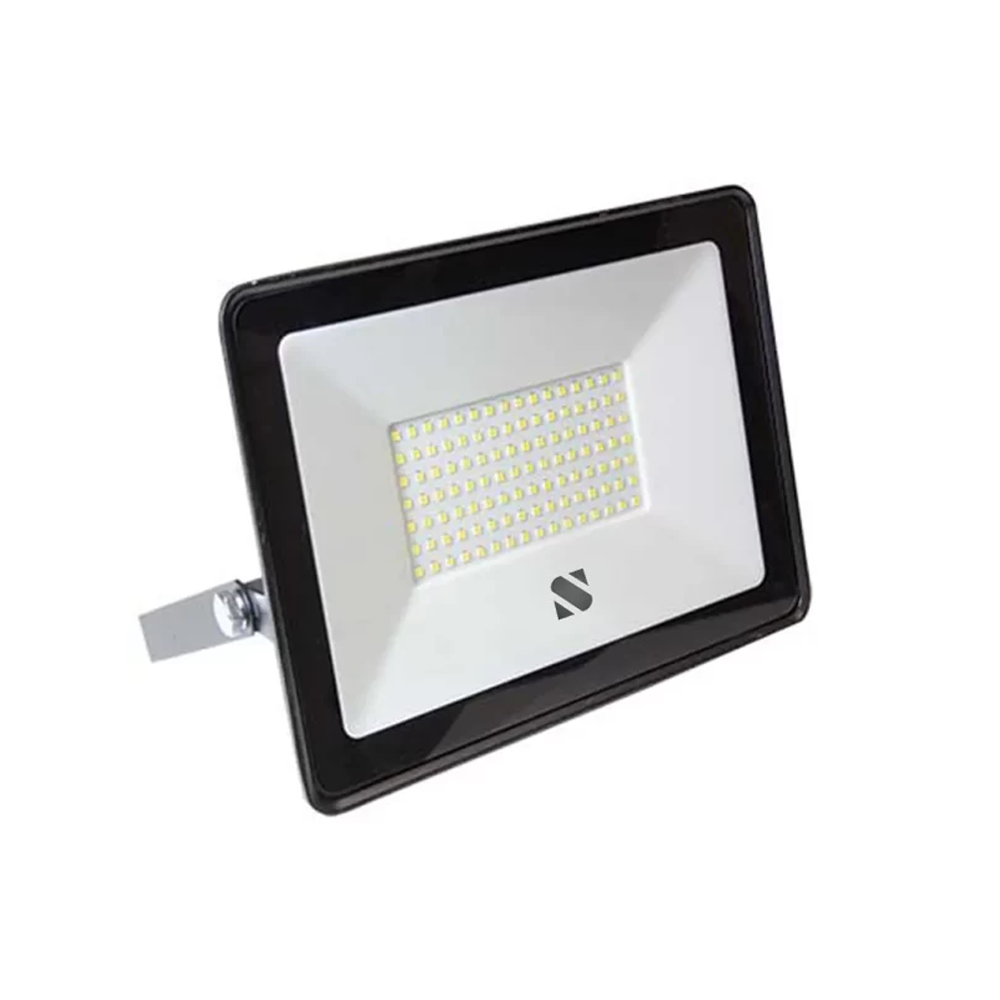
LED Floodlight by Seed and Soil SA
The Mars hydro TSW-2000 Grow light package
400w Metal Halide Bulb
Air Cooled Hood Reflector - 150mm, designed to keep your grow tent or room cool

Budget-Friendly Solutions:

  1. For growers on a tight budget, there are several cost-effective lighting options to consider:

    1. CFL Bulbs: As mentioned earlier, CFLs are inexpensive and readily available. You can use a combination of cool white (6500K) and warm white (2700K) bulbs to provide a balanced spectrum for your plants.
    LED Floodlights: LED COB (chip on board) floodlights can be a budget-friendly alternative to expensive purpose-built LED grow lights and are found online or at most hardware stores. Look for LED floodlights with a wattage (50-100W per plant) and create a balanced spectrum by combining both cool and warm white. Keep in mind that these lights may not have the same efficiency as specialized LED grow lights but for beginners it can be scaled up cheaply and they work great!

Light Efficiency and Coverage:

When choosing a grow light, consider its efficiency and coverage area. A general rule of thumb is to provide a minimum of 100 watts of light at a reasonable distance per square meter of grow space just to keep plants alive. We like to give each of our plants at least 100 watts of light each no matter the source. So for a 1m x 1m squared space you should aim for 250-400W or more.The actual wattage requirement will vary depending on the type of light and its efficiency.

For example, a high-quality LED panel may only consume 400 watts while providing the same light output as a 600-watt HPS light. This is due to the higher efficiency of LEDs, which is measured in micromoles per joule (μmol/J). The higher the μmol/J, the more efficient the light is at converting electricity into usable light for your plants.

The beautiful colours of a Do-Si-Dos Autoflower plant main cola

Conclusion:

Choosing the right grow light for your cannabis setup is a critical decision that can significantly impact your plants’ health, yield, and overall growing experience. Consider factors such as your budget, grow space, desired spectrum, and energy efficiency when selecting a light.

For beginners, starting with CFLs or budget-friendly LEDs can be a good introduction to indoor growing. As you gain experience and want to scale up your operation, investing in high-quality LEDs or CMH lights can provide optimal results while saving energy in the long run.

Seed and Soil SA Logo

Sub Topics

SA Cannabis Breeders and local seed distributors
About us

Featured Products

Featured Guides

Sign up to our Promotion List

Grow kits For Sale

All In One Grow Kits

Feminised Seeds, Cannabis Soil, Pot, Tray & Instructions

What lights Do I Need To Grow Read More »

Why Are My Leaves Yellowing

Yellowing Leaves?

Signs of nutrient problems on Dagga leaves

Common Causes and Solutions for Cannabis Growers

As a cannabis grower, one of the most common issues you may encounter is yellowing leaves. Yellowing leaves can be a sign of various problems, ranging from nutrient deficiencies to watering issues. In this quick guide, we’ll briefly discuss the main causes of yellowing leaves that will help you diagnose and solve the problem.

Most Common Causes:

1. Nutrient Imbalances:

 One of the most common causes of yellowing leaves is nutrient imbalances or deficiencies. To learn more about identifying and correcting nutrient issues, check out our in-depth article on Soil, Nutrients, and Deficiencies Here

2. Improper Watering:

Both overwatering and underwatering can lead to yellowing leaves. To ensure you’re watering your cannabis plants correctly, read our comprehensive guide on Watering Cannabis Plants Here

3. Incorrect Pot Size:

Plants in pots that are too small may show signs of nutrient deficiencies, yellowing leaves, and stunted growth due to limited soil volume, root lock and nutrient availability. Plants in oversized pots may suffer from overwatering and root rot, leading to yellowing leaves.  Choose an appropriate pot size for your cannabis plant’s current growth stage and size. Read more Here

4. Pests:

 Pests like fungus gnats who feed on your roots or thrips and mites that suck out the nutrients can lead to yellowing leaves so make sure to checkout our comprehensive guide on cannabis pests and remedies Here

Know Your Terminology

Identifying common cannabis problems and pests in cannabis plants

Types of Yellowing Leaves and Their Causes

1. Nitrogen Deficiency:

This is one of the most common reasons for yellow leaves and can start to appear early on. Older and lower leaves turn pale green or yellow. This starts from the bottom of the plant on the tips of the leaves and moves up and inwards. The leaves may also drop or die prematurely.
Solution: Increase nitrogen levels in your nutrient watering solution. Top dress your soil with organic nitrogen sources such as worm castings,blood meal or bat guano.

A guide to Nitrogen deficiencies in cannabis
A guide to phosphorus deficiencies in cannabis

2. Phosphorus Deficiency:

This is a rarer problem by comparison and more common in flowering plants. It can be identified with yellow and brown spots on older growth. The leaf will start to die and change in colour first either by turning yellow or brown all along the leaf edges.
Solution: Increase the phosphorus levels in your nutrient or top dress your soil with organic phosphorus sources such as rock phosphate or bone meal

3. Potassium Deficiency:

This deficiency is most commonly associated with the flowering phase. The lower leaves start turning a yellow or brown unevenly around the edges while the center of the leaf remains healthy green. Older leaves develop yellow or brown spots along the margins, which may progress and start to curl or twist from all sides.
Solution: Increase potassium levels in your nutrient solution or make a banana peel compost tea.

A guide to Potassium deficiencies in cannabis
Magnesium deficiency in cannabis plants

4. Magnesium Deficiency:

With this deficiency the older leaves and old growth develop interveinal chlorosis (yellowing around the leaf veins), while the veins themselves remain green. This is usually easy to spot and to fix.
Solution: Supplement with magnesium, such as Epsom salts (1 teaspoon for every 2 liters of water), or use a cal-mag supplement.

5. Calcium Deficiency::

Calcium and magnesium deficiencies normally go side by side but in this case the young leaves and growing tips exhibit distorted growth with curled or cupped leaves, and brown or yellow blotches coupled with stunted growth.
Solution: Use a calcium supplement, such as cal-mag, and maintain a proper pH range for calcium availability.

Calcium deficiency in cannabis
Iron deficiency in cannabis plant

6. Iron Deficiency:

As opposed to a magnesium deficiency, the younger leaves and new growth turn pale or yellow this time, while the veins still remain green.
Solution: Lower the pH of your growing medium or nutrient solution. Iron becomes less available at higher pH levels and should generally be present.

7. Sulfur Deficiency:

Younger leaves turn pale yellow or yellow-green, similar to nitrogen deficiency but affecting new growth first.
Solution: Ensure your nutrient solution contains adequate sulfur by adding some epson salts and maintain a proper pH range.

Sulfur deficiency in cannabis plant
Zink deficiency in cannabis plant

8. Zinc Deficiency:

Younger leaves exhibit interveinal chlorosis, similar to iron deficiency, but with a more pronounced yellowing between the veins. The leaf margins may also appear distorted or wrinkled.
Solution: Ensure your nutrient solution contains adequate zinc and maintain a proper pH range, as zinc becomes less available at higher pH levels. Foliar feeding with a zinc supplement can also be effective.

9. Manganese Deficiency:

Younger leaves develop interveinal chlorosis, similar to magnesium deficiency, but with a more mottled appearance. Brown, necrotic spots may also appear.
Solution: Lower the pH of your growing medium or nutrient solution, as manganese becomes less available at higher pH levels. Foliar feeding with a manganese supplement can also be effective.

Manganese deficiency in cannabis

10. Overwatering:

This is probably the most common reason for yellowing leaves. The leaves on a water soaked plant will turn pale yellow or yellow-green, and will feel soft and limp. If the soil remains wet and the pot stays heavy for extended periods your plant may be water locked and is slowly drowning. Overwatering is far more difficult to fix and the damage can be felt long term. Always water on a side of caution. Read more about proper watering techniques Here
Solution: Reduce watering frequency and ensure proper drainage.

Over watering your plants
A guide to under watered cannabis plants and how to fix them

11. Underwatering:

Although underwatering is generally easier to fix and recover from, regularly under watering your plant can also lead to yellow leaves and some serious problems. The stressed leaves will turn yellow and become crispy or brittle. They will not recover. This could leave your plant seriously defoliated even if you manage to save it. If the soil feels dry to the touch in the first 2-3 cm of the top soil and the pot is considerably lighter should water. Aim for a schedule of around every 3 -4 days or more frequent as the plant matures.
Solution: Increase watering frequency and water slowly to ensure the soil gets evenly moist.

Conclusion:

Yellowing leaves can be a frustrating problem for cannabis growers, but by understanding the common causes and solutions, you can quickly address the issue and get your plants back on track. If you’re unsure about the specific problem your plants are facing, refer to our detailed articles on nutrient deficiencies and watering for more information.

Remember, the key to healthy cannabis plants is providing the right balance of nutrients, water, and growing conditions. By staying attentive to your plants’ needs and addressing issues promptly, you’ll be well on your way to a successful harvest.

Seed and Soil SA Logo

Sub Topics

SA Cannabis Breeders and local seed distributors
About us

Featured Products

Featured Guides

Sign up to our Promotion List

Grow kits For Sale

All In One Grow Kits

Feminised Seeds, Cannabis Soil, Pot, Tray & Instructions

Why Are My Leaves Yellowing Read More »

How To Cool Down Your Grow Room

How to cool down your grow room: A Summertime Survival Guide

As the summer heat sets in, maintaining an optimal temperature in your indoor grow room or tent becomes increasingly challenging. Excessive heat can severely stress your plants, leading to various issues such as stunted growth, reduced potency, and increased susceptibility to pests and diseases. In this comprehensive guide, we’ll explore effective strategies to keep your grow space cool to ensure a high-quality harvest.

How to Cool down your cannabis grow room

Why Temperature Matters

1. Preventing Heat Stress:

Cannabis plants thrive within a specific temperature range, typically 20-30°C during the day and slightly cooler at night. Prolonged exposure to temperatures above 33°C can cause heat stress, manifesting as curled leaves, foxtailing, bleached buds, and reduced THC production.

2. Maintaining Enzyme Activity:

Excessive heat can disrupt essential enzymes responsible for various metabolic processes in cannabis plants, affecting their overall health and productivity.

3. Optimizing Resin Production:

Cooler temperatures stimulate the production of terpenes and cannabinoids, enhancing the aroma, flavor, and potency of the final cannabis product.

4. Preventing Pests and Pathogens:

High temperatures and humidity create an ideal environment for mold, mildew, and pest infestations, which can quickly ruin an entire harvest.

Easy Passive Cooling Solutions

Before investing in any active cooling measures, consider these passive solutions first to help manage your grow room heat:

Digital timer
Indoor grow fan with clip grip
Switch power off png
Temperature and humidity meter

1. Location:

Set up your grow tent or room in an area that receives minimal direct sunlight in summer. Avoid garages or wendy huts with zinc roofs as these can heat up extremely hot in the sun. Make sure there is adequate ventilation not only inside your grow room but around your entire grow space so that hot air does not build up over time if it can’t escape.

2. Insulation:

Using rolls of flexible insulation to cover your grow tent or room can work but it is best to choose a location that is already well insulated from the potentially harsh conditions outside. If you have a sun facing wall that gets particularly hot you may want to consider additional insulation

3. Adjust your light cycle:

Schedule your light cycle so that your lights are off during the hottest parts of the day or only on at night when temperatures are a bit cooler taking advantage of natural temperature drops.

4. External Equipment Placement:

Keep certain appliances and electronics, such as tumble dryers, deep freezes and ballasts,away from the grow space.

Active Cooling Strategies

If passive measures are insufficient, consider implementing these active cooling solutions:

Aircon unit for grow rooms
Inline extractor Fan
110W LED Grow light with Samsung chips
150mm air cooled reflector by Seed and Soil SA

1. Fans:

 Invest in high-quality oscillating fans and strategically position them to create a cross-breeze, promoting airflow and circulation throughout the grow space.

2. Inline Fans:

Install exhaust fans near the top of the room to remove hot air, and use intake fans or ducts to bring in fresh, cooler air from outside or an air-conditioned space.

3. Air Conditioning:

For large grow rooms or consistently high temperatures, consider installing or getting a mobile air conditioning unit to maintain the desired temperature and humidity levels – Be careful though as this can quickly rack up a fat electricity bill

4. Ice or misters:

Hanging misters by a window or putting some damp wet cloths around or even packing ice in front of a fan can make a small difference temporarily but it is not sustainable in the long run and you run the risk of getting mold problems.

5. Increase CO2:

If you can significantly increase the amount of CO2 and humidity within your grow room your plants will be able to endure higher temperatures than usual.

6. Cooled Light Reflectors:

Use air-cooled or water-cooled light reflectors to mitigate the heat generated by HPS or HID grow lights.

6. Dimmable Ballasts:

If you are using HID lights, invest in dimmable ballasts to reduce the wattage and heat output during peak temperature hours.

Additional Tips and Considerations

  • Monitor Temperature and Humidity: Use thermometers and hygrometers to closely monitor the conditions in your grow space and make the necessary adjustments.
  • Sustainable Practices: Implement energy-efficient growing techniques like using LED lights or dimming your lights at a closer range rather than running at max power from a further distance.
  • Timing: Consider only operating your grow tent or room during cooler months (autumn through spring) if managing summer temperatures becomes too expensive or challenging.

By implementing these effective strategies and closely monitoring your grow environment, you can maintain optimal temperatures and ensure your cannabis plants thrive, leading to bigger yields and high-quality buds, even during the hottest summers.

Seed and Soil SA Logo

Sub Topics

SA Cannabis Breeders and local seed distributors
About us

Featured Products

Featured Guides

Sign up to our Promotion List

Grow kits For Sale

All In One Grow Kits

Feminised Seeds, Cannabis Soil, Pot, Tray & Instructions

How To Cool Down Your Grow Room Read More »

How to deal with WPM

How to Deal with White Powdery Mildew (WPM) on Cannabis Plants

WPM is a common fungal disease that affects a wide range of plants, including cannabis. It appears as a white, powdery coating on leaves and stems, and if left untreated, it can spread rapidly, compromising the health and yield of your cannabis plants. Let’s dive into the causes, dangers, prevention, and treatment of WPM on cannabis plants.

Understand that WPM is caused by various fungal species who thrive in warm, humid environments with poor air circulation. Cannabis plants are particularly susceptible to WPM during the flowering stage when humidity levels are higher and air circulation is reduced due to a denser growth structure. Beginners tend to mistake WPM for trichomes on the sugar leaves and often leave the problem untreated until it is too late.

White powdery mildew early stages on cannabis leaf
White Powdery Mildew on Cannabis plant

The Dangers of WPM on Cannabis Plants

1. Reduced Yields:

WPM can significantly impact the growth and development of cannabis plants, leading to stunted growth, reduced photosynthesis, and ultimately, lower yields.

2. Compromised Plant Health:

As the fungus spreads, it weakens the plant’s natural defenses, making it more susceptible to other diseases and pests too.

3. Unsafe for Consumption:

Smoking cannabis with WPM can be extremely harmful to your health. The fungus and its spores can cause respiratory issues and allergic reactions, especially in individuals with compromised immune systems.

4. Contamination of Other Plants:

WPM can easily spread from one plant to another, potentially affecting your entire crop if left unchecked.

Preventing White Powdery Mildew

150mm Inline Axial Fan
Eco Buzz - Disease Pro
Rosecare 3 Insecticide 100ml
Indoor grow fan with clip grip

1. Lower Humidity Levels:

WPM thrives in high humidity environments, typically above 60% relative humidity (RH). To prevent its growth or slow it down, maintain RH levels between 40-50% or lower during the flowering stage.

2. Adequate Air Circulation:

Provide ample air circulation around your cannabis plants by using fans, pruning dead leaves or dense foliage, and maintaining proper spacing between plants at all times. Leaf on leaf contact creates moisture pockets where spores can grow and spread.

3. Keep Your Grow Space Clean:

if you’re growing indoors, regularly clean and sanitize your grow space walls, tools, and equipment to prevent the spread of WPM spores. Do not keep dead leaves or old moist soil nearby or in the same room.

4. Inspect Plants Regularly And Act Early:

Regularly inspect your cannabis plants for any signs of WPM, particularly in dense foliage areas. Catching the disease early can make treatment far more effective.

5. Choose Resistant Strains:

Some cannabis strains are more resistant to WPM than others. Autoflowers in general are less susceptible to WPM and other diseases. When selecting strains, consider researching their disease resistance properties too.

Treating White Powdery Mildew

1. Remove Infected Parts:

If you catch WPM early, remove the affected leaves and stems immediately to prevent the fungus from spreading. Dispose of the infected plant material safely, away from your grow space.

2. Homemade Remedies:

Several homemade remedies can help treat WPM, including:

    • Milk Spray: Mix 1 cup of milk with 2 liters of water and spray on all affected areas. The proteins in milk help combat the fungus. Repeat every 2 – 3 days for 2 weeks.
    • Baking Soda Solution: Mix 2 teaspoons of baking soda,  a couple of drops of sunlight liquid soap, and 2 liters of water. Spray on affected areas every 2 – 3 days for 2 weeks.

3. Neem Oil:

Read the instructions on the purchased bottle otherwise mix 2 teaspoons of neem oil, 1 teaspoon of liquid soap, and 1 liter of water. Spray on affected areas once per week.

4. Ludwig’s insect spray:

Ludwig’s Insect Spray is a great all natural remedy mostly made up of garlic extract and other essential oils. It is not harmful to your plants or to humans and can be sprayed on your plants right throughout its life cycle. A strong smell of garlic may be present when you have treated you plants and when used very late into flower it can also affect the taste of your buds, but won’t harm you

5. Rose Care:

Rose is great for the vegetative state but only really suited for extreme infestations. This is one of the best pesticides for cannabis if applied carefully, but it comes with a nasty warning label so use at your own risk. There are various commercial products available that can effectively treat WPM. However, it’s crucial to choose products that are safe for use on cannabis and to follow the manufacturer’s instructions carefully.

6. Copper Soaps:

Copper soaps are an effective fungicide for treating WPM on cannabis plants. They work by disrupting the cellular processes of the fungus, ultimately killing it. Mix according to the manufacturer’s instructions and apply to affected areas. It’s important to note that while copper soaps are generally safe for plants, overuse can lead to copper accumulation in the soil, which can be harmful in high concentrations. Use as directed and monitor your plants for any signs of stress.

500ml spray bottle
Neem Oil by Bioneem
Biogrow Copper Soap Fungicide - 500ml
Rosecare 3 Insecticide 100ml

Note: Avoid Fungicides or Pesticides During Flowering: Applying these during the flowering stage can be dangerous, as the chemicals may end up in the final product, making it unsafe for consumption. If you must use pesticides during flowering, make sure they are specifically labeled as safe for use on consumable crops and cease application at least 2-3 weeks before harvest.

Conclusion:

The importance of an early preventative treatment before WPM is even visible cannot be overstated! Prevention is always the best approach. Treat your plants with some of the above treatments before entering the flowering stage even if no WPM is present.

At Seed and Soil, we understand the importance of proactive plant care and disease prevention. Our team of experts is dedicated to providing you with the knowledge, resources, and products you need to keep your cannabis plants healthy and thriving.

From high-quality seeds to organic pest and disease control solutions, we have everything you need to successfully navigate the challenges of growing cannabis. Visit our website to explore our range of products and educational resources, and join our community of passionate cannabis cultivators today.

Seed and Soil SA Logo

Sub Topics

SA Cannabis Breeders and local seed distributors
About us

Featured Products

Featured Guides

Sign up to our Promotion List

Grow kits For Sale

All In One Grow Kits

Feminised Seeds, Cannabis Soil, Pot, Tray & Instructions

How to deal with WPM Read More »

Are you watering correctly

How To Water Your Plants Correctly:

If you’re looking to grow healthy, thriving cannabis plants, one of the more crucial aspects is to master your watering technique. Proper watering techniques can make the difference between a huge harvest and a disappointing one.

In this comprehensive guide, we’ll dive deep into the world of watering cannabis plants, covering everything from the basics of overwatering and underwatering to more advanced topics like pH, temperature, and EC.

Guide to watering you Cannabis plant

We’ll also discuss different watering methods, such as top and bottom watering, and when to water to runoff or flush your plants.

Over Watering And Under Watering

One of the most common mistakes new eager growers make is either overwatering their cannabis plants. Both underwatering and overwatering can lead to serious issues, but it’s important to understand the difference between the two.

Overwatering

This occurs when you give your plants more water than they can absorb, leading to waterlogged soil and poor root oxygenation. Signs of overwatering are slower than underwatering but include:

  1. A water heavy pot
  2. Drooping leaves that feel heavy, soft and limp
  3. Yellowing leaves, especially lower ones
  4. Slow growth and dark soil
  5. Mold or algae growth on the soil surface
Over watering your plants
Over watering signs in cannabis plants

Underwatering

This happens when you don’t provide enough love and water for your plants, causing them to become dehydrated and get stressed. Signs of underwatering include:

  1. Hanging leaves that feel crispy or brittle
  2. Curling or cupping of leaves
  3. Slowed or stunted growth
  4. Dry, cracked soil surface.

It’s worth noting that underwatering is generally easier to fix than overwatering. If you catch an under watered plant in time, you can usually revive it by giving it a good, thorough drink. Overwatered plants, however, may take longer to recover, as the roots need time to dry out and heal.

Over Watering vs Under watering for Cannabis Plant
A guide to under watered cannabis plants and how to fix them

Watering Techniques: Top vs. Bottom Watering

When it comes to actually watering your cannabis plants, there are two main methods: top watering and bottom watering.

Top Watering

Top watering is the easiest method of watering, and involves applying water directly to the soil surface, either with a watering can, hose or sprayer. When top watering, it’s important to:

  1. Water your plants very slowly and evenly, allowing the water to absorb and penetrate all of the soil without running off too quickly
  2. Avoid getting water on the leaves, as this can lead to mold and disease issues
  3. Water around the base of the plant but not onto the main stem directly. Disperse your water to encourage root development
  4. Water only until you see a small amount of runoff coming out of the drainage holes (more on this later)

Bottom Watering

Bottom watering involves placing your pots in a deep tray of water and allowing the soil to absorb moisture from the bottom up. This method can be slower but it is beneficial because:

  1. It encourages deeper root growth
  2. It reduces the risk of overwatering, as the soil will only absorb as much water as it needs
  3. It can help prevent soil compaction and improve aeration

Ultimately, the choice between top and bottom watering comes down to personal preference, experience and your specific growing setup.

top vs bottom watering plants

The Importance of Proper pH, Temperature, and EC

In addition to the actual watering process, there are a few key factors to keep in mind when it comes to the water you use for your cannabis plants.

pH, or potential hydrogen, refers to the acidity or alkalinity level of your water. Cannabis plants prefer a slightly acidic environment, with a pH range of 6.0-6.8 for their soil. If your water is too acidic or alkaline, it can affect the nutrient availability and uptake, leading to deficiencies or toxicities.

Temperature is another important consideration. Water that is too cold can shock your plants’ roots, while water that is too warm can promote the growth of harmful bacteria and fungi. Aim for a water temperature around 20-25°C.

Finally, EC, or electrical conductivity, measures the total dissolved solids (salts) in your water. While cannabis plants do need some dissolved minerals for proper growth, too high of an EC can lead to nutrient burn and other issues. Generally, an EC range of 0.8-1.2 is ideal for cannabis plants in soil.

Watering to Runoff and Flushing

As mentioned earlier, it’s important to water your cannabis plants until you see a small amount of runoff coming out of the drainage holes. This runoff helps to:

  1. Ensure that the entire root zone is getting moistened
  2. Prevent salt and nutrient buildup in the soil
  3. Provide a way to monitor the pH and EC of your soil

Every few waterings, it’s a good idea to water till runoff and collect the runoff to test its pH and EC. If the runoff values are significantly different from your input water, it may indicate that you need to adjust your feeding or watering schedule.

Flushing your cannabis plant

Flushing

This involves heavily watering your plants with the goal of removing excess nutrients from the soil. This is typically done:

  1. A week or two before harvest, to improve flavor and smoothness of the final product
  2. If you notice signs of nutrient burn or other nutrient-related issues

When flushing, use plain, pH-adjusted water and continue watering until you see a significant amount of runoff (around 20-50% of the volume of your pot).

Conclusion

The goal is to strike a balance between providing enough water for your plants to thrive, while also avoiding the pitfalls of overwatering or underwatering. By paying attention to your plants’ needs, monitoring your water quality, and adjusting your techniques as needed, you’ll be well on your way to growing healthy, vibrant cannabis plants.

And of course, don’t be afraid to experiment and find what works best for you and your specific growing setup. With a little patience and practice, you’ll soon be a master of the art of watering cannabis plants!

Seed and Soil SA Logo

Sub Topics

SA Cannabis Breeders and local seed distributors
About us

Featured Products

Featured Guides

Sign up to our Promotion List

Grow kits For Sale

All In One Grow Kits

Feminised Seeds, Cannabis Soil, Pot, Tray & Instructions

Are you watering correctly Read More »